Don't get rich quick - get smart forever: I believe in knowledge.
I'm interested in politics, economics, religion, science, and engineering. I'm a Christian, a family man, and a Scouter. I also tweet @enough32.
“If it stops raining by eleven, we’re going mountaineering” I said, at about 9.30a.m. My colleague just grunted in reply, his eyes on his book. The rain pattered lightly on the tent; the clouds looked oppressive. Eventually he deigned to put his book aside and get ready, and we set off around 10.30a.m. Measured steps along an old track saw us at the base of Tryfan, my dear friend having tried without success to charm a lone young lady from Southampton who we met along the way. I grinned inwardly and steamed upwards over the heather. It was 11a.m. The lower slopes, heather and grass, give way to bands of cliffs up which we eagerly scrambled. The A5 soon shrank to matchbox car proportions, a thin line winding along the lake.
Eventually the rock proper begins. I clambered onwards, far ahead of my friend who chose to take his time, savouring the delights of scrambling up the best mountain in Wales. Tryfan never fails to delight the scrambler or casual climber – a veritable delight of routes up good, rough grey rock. Quickly I gained height, choosing, as far as possible, the testing bits rather than the worn pathways. The summit of Tryfan is rarely visible whilst on the north ridge, as the ridge is stepped into terraces. Grey towers up ahead are the tantalising target. The cross-cutting clefts – one of them called “Heather Terrace” are one of the few places where everyone follows the same path. I got to the summit in 77 minutes – a personal best for Tryfan. My companion arrived, at a more leisurely pace, almost half an hour later. He polished off my remaining orange and set the food-consumption rate for the rest of the day.
We continued, trying our best to down-climb rather than walk, down to Bwlch Tryfan where my companion insisted we stop for lunch. I gave in graciously and we sat quietly eating lunch at the col. Then, quivering in anticipation almost, for the afternoon’s work, we arrived at the foot of Bristly Ridge. We climbed and climbed, enjoying ourselves. This section was most enjoyable – an almost endless progression of easy rock that grew sadly easier as we approached the summit. Behind us, Tryfan was a tooth. From the sun-drenched summit of Gylder Fach, though, it looks positively diminutive. Strange shards of slate stand up in clusters on the summit, giving it a rather fantastic look, as if in a scene from “The never-ending story” or other such film.
Out in front again, I continued along to Glyder Fawr in warm sunshine, seeing Snowdon dark on the left, and the Nameless Cwm on the right. Arriving on the summit, we met again with the young lady from Southampton, who complained of a painful knee, and continued downhill in her company, ostensibly helping her. My potential philanderer of a close friend and climbing companion abandoned his position as obliging gent as soon as it was clear she was quite happy on her own; he stampeded off down the screes at a suicidal rate. I went downhill a little slower, particularly after falling on my a**e at one point. At the bottom he gazed wistfully up at the slopes, to the girl with the painful knee, and we continued.
Up Y Garn, where there were a few specks of rain out of nowhere, it seemed. Oddly it’s always cold and windy on Y Garn. Today was no exception. We sat at the top, looking down the slopes into Cwm Idwal, noticing the grey clouds swirling over Glyder Fach at 3200′, whilst the Carneddau on the other side of the Ogwen valley, remained clear of cloud at 3400′ and higher. The last movement of the Idwal Skyline is down the sharp arete above Cym Clyd, which is again as on the Glyders, punctuated by sharp upstanding slates. A wise place to walk with your hands out of your pockets. We arrived at Idwal Cottage well satisfied, at about 6pm. Chips and steak pie at Idwal Cottage, made us feel brighter by far, and deeply content, we tramped back along the A5 to our tent on the far side of Tryfan.
I’ve just been looking through my old hand-written route books. I have hand-written reports of days on the mountain going back forty years to 1983. I’m in the process of typing them all up and posting them online, here at the plateroom28 blog, in the page Forty Years of Mountains. There’s quite a lot there to read. I am influenced by the writing of the great Scots mountaineer and early environmentalist W.H Murray (1913-1996). As a youth, I obtained a very old copy of his first book “Mountaineering in Scotland”, and deliberately copied his style – though perhaps not his grace – in writing trip reports.
We travel here to the Peak District on a Royal Wedding day. But which one – the reader can be the judge. Two of us left Edale about 10.30a.m and ran off up Grindsbrook. As we neared the top, a rain shower turned heavy, and we waited as it drove down-valley, a grey stain along the skyline.
The peat hags were steaming gently in bright sunshine as we moved over the flat and desolate sea of heather. Up here on Kinder, the flatness envelopes you. We arrived at the “summit”, more of a gentle watershed marked by a cairn, and from there, navigated by reference to the Holme Moss TV transmitter tower, a tall thin mast, its warning lights a-flashing periodically, some 16km to the north. Crowden Head was replaced by the dry bed of the Kinder River, which led us to the Downfall. As we lunched at the Downfall, large and sturdy sheep appeared, until around fifteen of them stood around us patiently waiting for titbits. Black clouds swooped by, darkening the fresh blue skies, soaking the good citizens of Hayfield far below.
From Kinder Downfall, north, followed closely by another line squall. Swiftly, as the skies grew dimmer, we sought shelter under a block of gritstone and waited for the squall to pass. It blew itself out after a dozen minutes or so, and we continued, now again in warm sunshine, advancing along a gentle scarp, past the white front of the Snake Inn far below, past the steep Seal Stones path downwards. We arrived at trig point 1937′ and rested for a while in warm summer sunshine. In the distance, Win Hill was a square grey top. We followed paths downhill through heather past crumbling outcrops, onto the lower moor, Crookstone Hill. In the distance, Ladybower reservoir was visibly empty. As we walked, there were a few mutters of suitably distant thunder. Along the moor, great clouds of blue and grey heaped up behind us, motivating us to hurry. Shelter was far ahead, in the woods at the edge of the reservoir.
A dense squall rushed past on our left, thunder began to crackle, and lightning fork cloud-to-cloud and onto the surrounding tops. Heavy rain began to fall. Lightning flashed again and the rain turned to hail. We flung ourselves into a ditch, hiding our heads from the hail, and then dashed for cover behind the shelter of a stone wall. Hail fell…and when it was over, the world was white like winter. It was amazing to behold. We walked in deep cold past a group of terrified pony-trekkers, their mounts as scared as any of them, down to Hope Cross and along. Fresh clouds gathered, and we tarried a while, hiding from the real risk of being struck by lightning.
Clouds back of us, we continued down the track to Hope. Hail came again, almost painful as it battered our legs, heads and backs. Water ripped at the track, a veritable flash flood, and we were grateful to leap into a Land Rover when a lift was offered. Being driven through the hail-covered lanes to Hope, we reflected that this was the most startling thunderstorm we’d seen for some time.
A trip to Knoydart – extreme backpacking in October
My trip this October, in the planning these last three months, was to walk from the railway at Glenfinnan, through to Inverie on the Knoydart peninsula. Inverie is one of the most remote places in mainland Britain. The walk itself I understand is part of the so-called “Cape Wrath Trail” though there was nary a sign at any point to indicate that.
I took the 48km walk in three more or less equal stages of about 16km each. From Glenfinnan to Strathan, Strathan to Sourlies, and from Sourlies to Inverie. As I was hiking alone, completely out of phone range, I don’t think I’m exaggerating to call it “extreme” backpacking. Conditions underfoot were absolutely dreadful, wet and deep mud and peat throughout. Across that ground, I was walking at barely 2km per hour averaged over the whole day. I thought I’d meet few people if anyone at all, mid-week in October, but eight other people were on the hill travelling more or less the same route at the same time. We met several times, finishing with drinks in the Old Forge in Inverie.
As in the past, my journey north on the Caledonian Sleeper began with a pint in the Doric Arch at Euston station. Virtually deserted on a Monday night, this railway-themed public house has a giant scale model of “Evening Star”, British Rail’s last steam locomotive, strategically placed behind the bar.
It was really rather pleasant to sit in my berth in the morning, watching the West Highland landscape scroll past the window. Breakfast came as the train rounded the famous Horseshoe Curve near Bridge of Orchy. At Fort William there was ground mist. My eye was caught by a Stanier Black Five stood waiting in the mist for the off with the “Jacobite Express” charter train to Mallaig.
After shopping for some minor groceries in Fort William, I took train a little after noon to Glenfinnan. The mist had burnt off; the skies were clear. The train was absolutely rammed full of tourists, and the officials of the railway company, in consequence perhaps, were a little above-averagely irascible. Passengers must not leave bags here…bicycles must be stored front wheel uppermost…
In the most beautiful clear weather, I hiked up through the heather and trees towards the viaduct. It is concrete: anywhere else but in this stunning location it would be ignored as an industrial monstrosity. But here, certainly since Harry Potter, people travel hundreds of miles to visit Glenfinnan viaduct.
The way ahead lay up a tarmac road through Glenfinnan. As a 10k runner I have learnt much about pacing myself this last year – but not enough. Though I consciously tried to keep the pace down, I still went too fast along the tarmac and in only a few kilometres the hard impacts did more damage to my left heel than in the whole of the next three days, causing a small blister. I continued past the bothy at Corryhully, taking a late lunch, and continuing up to the top, the Bealach a Chaorainn. Here there was a rather surreal gate with no fence on either side of it. Onwards, trending north-east away from the setting sun, down into a wide glacial valley, the long and straight Gleann Chaorainn. As the afternoon wore on, the light grew more delicate.
The ground underfoot became boggier and more complex, and I was starting to tire. As the valley came out into the bigger Glen Pean, I fell over in deep mud and somehow managed to buckle the bottom third of one of my trail poles. Ratty, I crossed the bridge over the Pean and approached a band of forest. Here I met the first of the eight people who were crossing to Inverie at the same time as me, an Englishwoman called Suze and her partner Andy, a Scotsman. After a brief chat I left them in peace and sought somewhere to pitch my tent. But the ground was tussocks and hummocks, dreadful, pathless wet ground wholly inappropriate for camping. In the middle distance I spied some different green, and thought, that might a better campground. It did – but it was on an island in the river. I crossed to the island with only minor difficulties (the boulders in the stream bed were a bit slimy). I deemed the risk of flooding on this particular night, to be negligible, although there was clear evidence that the island could and would flood when the river rose in spate.
Next day, the tent was wet inside and out with dew and condensation. In packing, I found that I had inadvertently brought onto the hill, over half a kilo of spare cheap tent pegs which had been stored right at the bottom of my rucksack. Rather too much weight to casually carry around – I had to abandon them. I crossed the river again, noting that the river had fallen during the night, and set off into the forest. The route lay along a track that clearly predated the trees (an industrial plantation) by decades if not generations. Round onto a forestry road and onwards; beyond the woods, the sky was clear and blue. A choice presented itself: I could hike up Glen Dessarry in the woods, or in the sunshine. On such a beautiful morning, it had to be the sunshine, at the expense of a short detour.
There is a reasonable unmade road up Glen Dessarry, up which it was my task to toil. I took an early lunch – or maybe it wassecond breakfast. I am become a creature of Hobbit on the hill: bread and butter, cheese, tomato, Chorizo sausage, chocolate, date/nut/seed trail mix, perhaps an orange. At Upper Glendessarry the path leaves the unmade road and kinks to the right – “Inverie, 17miles” a sign says. Wet and very muddy, the path continues, keeping another industrial plantation on the left. I reached the top edge of these upper woods and found a convenient flat stone on which to have another snack. A mile or so away below I spied two hikers, presumably the Scotsman and Englishwoman. They saw me clearly against the sky, and waved, but I missed that. They must have taken the route through the woods. As I lunched, a single Typhoon fighter roared past in the distance.
Lower Glen Dessarry
Lower Glen Dessarry
The lodge at Upper Glendessarry and the sign for Inverie
Looking back down the glen from the upper woods
The path continues upwards, always wet, muddy and boggy, over Bealach an Lagain Duibh, which to my unschooled eye looks something like “Black Lake Pass”. One arrives in due course at two linked lochans, dark and forbidding in the lost, high hills. That said, the sun was out and though the water was black, the mood was not too bad. Lochan a’ Mhaim, it is called. On the bank of the second of these, a small boat was stashed, having clearly been laboriously carried up from Loch Nevis.
Lochan a’ Mhaim
On the way down to Sourlies from this lochan, there was at least one significant ford over the Finiskaig river. One has to take care with fords, hiking alone. The trail poles are a great help in safely crossing a river. It was a lovely walk down through variable terrain, but always muddy and wet underfoot. At times the river meandered as a “misfit stream” through the valley, then it dropped down through a gorge to the valley floor proper at the head of Loch Nevis. After the initial significant ford, the path kept to the right all the way, sometimes high on the hillside above the river, other times, lower. I passed three people, the first of whom I spoke with briefly. In a strong Slav accent, he told me he was making for the roadhead at Strathan, and that his friends were some hours behind him. An hour or more later I passed his companions. A lady with a Husky and an older, less fit looking man, labouring slowly up the hill with stertorous breath and a Cross of St Andrew on the back of his rucksack. They had started from Sourlies – and late indeed was the hour for them to be passing me not even close to half-way to Strathan.
The Finiskaig River as a meandering “misfit stream”The view down towards Sourlies. Note the “roche moutonee” in the foreground, with the scratches from the glacier pointing down the valley, but the prevailing geology at right angles to the valley.
Once on the valley floor I spotted a party of two walking ahead of me. They arrived at the Sourlies bothy a few minutes before I did. Mark and Dave; Dave, a Scotsman, Mark, an older guy from near Manchester. I decided to stay in the bothy and I put my tent up to dry in the stiff breeze, and it dried in minutes. Mark made some tea, and I contributed some milk from the sleeper train. Not long after that, the Englishwoman Suze and her partner Andy arrived, and there was some sociable chat. They opted to camp outside. Then, four Dutchman arrived – going to be crowded tonight! But they also opted to camp, although they prepared their food in the bothy and stayed for a chat. We started a fire, but if there was any wind at all, the chimney didn’t draw properly, and the bothy soon filled with smoke.
I cooked spicy lentils and a “faranata” – a chickpea flour pancake. This impressed everyone, as freeze-dried wilderness meals seem to carry all before them. Just add hot water. But I like cooking, and one-pot cooking in the wilderness is a challenge I cannot resist. It does mean that I have to carry various bits and bobs onto the hill to make such mountain cuisine possible. A small onion perhaps; a clove of garlic, a twist of spices and salt and pepper. It all adds weight but is worth the effort. As I am a big man, today weighing over 90kg, I can afford to carry 20kg on the hill.
From inside the Sourlies bothyThe wild aspect of the bothy (seen the following morning on departure)
During the night it rained for a time and the wind rose. For some reason I did not sleep well, though i was comfortable enough on a little wooden platform with a couple of mats under me. The Sourlies bothy is in a magnificent wild location at the very head of Loch Nevis, a fjord in all but name. The Fort William to Mallaig road is 15km to the south and about the same to the west, over trackless mountains. To the north, across more trackless mountains 10km to Loch Hourn, itself 15km from Loch Alsh, another fjord or sea-loch. To the east, the route I walked – 13km or so to Strathan at the roadhead on Loch Arkaig. In short, as wild a place as anywhere in Britain.
Next day I was away bright and early, on the hill by 8.15a.m. The couple camping had already set off. The first part of the route lay right along the seashore, quite literally on the beach. Would be tricky at high tide, I would think. The path curves right up onto the headland of Strone Sourlies, and round into Glen Carnoch. One is then presented with a dreadful flat salt marsh to cross. At this point, before nine in the morning, the sky was deeply threatening, lowering grey. There were various paths across the marsh, and the light was good enough, but the going underfoot was really slow and boggy, very, very wet. Without trail poles this would be a really challenging walk.
The marsh in Glen Carnoch: note the deer in the middle distanceLooking back down past the deer towards Loch Nevis. Note the mere ghost of a path I was following
I found crossing the marsh not so much the moral low point of my journey, as the moment when the sheer wildness and remoteness of this terrain, came home to me. Fall over badly here, walking alone, and even sprain your ankle, much less break your leg, and you’d be in a world of hurt. There’s no mobile connectivity. At best, at this time of year there might be twenty-odd people a week through here, and raising the alarm, without satellite telephony, would only be after 6-7 hours walk from here. Last year in the Cairngorms, I found the scale of the wilderness there similarly daunting. This West Highlands terrain is more intimate and familiar than the Cairngorms, resembling as it does the Lake District or North Wales, but this particular stretch was the exception, and that sense of intimacy deserted me. It was almost frightening.
Halfway across the marsh, I spied a stag and his harem of does, right in my path. I was concerned that the stag would get edgy and jealous if I came too close, and I tried to give them a wide berth, which wasn’t easy in a marsh. I’d been hearing rutting stags all the way from Glenfinnan. As I pondered the way forward, the deer moved out of my way. I spotted the footbrdge which I needed to cross. The scale of the landscape was so great that I had not seen it sooner. Soon after, I spotted the Englishwoman and her partner some way off course, keeping to the right up the valley. There was nothing I could do about it. I became conscious that I was not even carrying a whistle.
The bridge at Sourlies is new, having been erected in 2019 after the old one presumably collapsed or washed away. In October, one might ford this river only with the greatest possible care, and to do so alone would be foolhardy. Crossing, one then hikes up to the ruins of Carnoch, a substantial village or even township. Strange and ghostly it seemed me under that lowering sky. A substantial community once lived here.
The ruins at CarnochThe ruins at Carnoch
From Carnoch, the path lies slow and steady uphill to 575m, back and forth in neat zigzags, to the col which is marked only by a small cairn. This morning’s walking, from Sourlies to this col, has been the summit, the climax, the crux, of the whole three days from Glenfinnan. A propos of the wilderness situation, the guy Dave had shown me earlier, some form of satellite-based emergency position-indicating device, for use in such country as this. I may have to consider carefully, obtaining something of that nature.
And on down into Mam Meadail and the rough bounds of Knoydart. The path was straight and true, steadily downhill and on the right of the river, but ever wet and muddy underfoot. Quite some way down – it is not obvious on the OS map, and so is a relative innovation of recent times – the path becomes a rather obtrusive unmade road. There is evidence of digging machinery having been here; the road is graded and passable with great care in a 4-wheel drive vehicle.
Over the top and down towards InverieThe graded road lower down in Gleann Meadail
The valley narrows into what is almost a gorge as it passes Torr an Tuircc on the right. There is a footbridge and a ford for the tracked vehicles used to make the road. From here, on the left of the river through pleasant woodland, into the wider valley of the Inverie River, to another more substantial footbridge. Thence onto a pretty useful unmade road, past a monument on a hillside. Then – again the OS map has not caught up with reality – past a blasted wasteland of harvested plantation, all giant grey tree stumps and waste timber. I continued along a high forestry road until reaching the edge of the land owned by the Knoydart community, where there was good signage. Along the side of some woods, which were somehow reminiscent of the Dark Peak, and then left, in spitting rain, down a path beside a babbling brook, down to the road.
Down the Inverie River, past the monument to Inverie. The distant mountains are the Isle of Skye.A substantial road here but I had to come off it to give these horned cattle a wide berth
The West Coast atmosphere here is very strong. These houses and lanes of Inverie very strongly resemble the settlement at Kinloch on Rum, as well they might. I walked out towards the campsite, passing as I did so, a mobile home. As I passed, two little girls leaned out of the window to tell me that the campsite was cold and wet and that there was a bunkhouse. Bemused, I stopped for a moment, and their father appeared to shush them, telling me that the campsite was fine. This pleasant-mannered Englishman sold me a place in the Knoydart Foundation bunkhouse nonetheless, for £22, and with that I was well pleased. The bunkhouse was great: comfy bed, superb showers. I had a cup of tea and sat in a lovely lounge, very high-ceilinged and gloomy. A fire crackled and two visiting old Lancashiremen sat chatting. I made myself some supper in the kitchen, and then walked out through the damp autumn leaves to the Old Forge, the “most remote pub in mainland Britain”.
Today, to walk through from Glenfinnan, though objectively a tremendous achievement, is not unusual. I was the first of nine people to cross today from the Sourlies bothy. This evening, all nine of those people were in here – myself, the couple from Edinburgh, the two guys from Manchester, and the four Dutchmen. Five of us sat down for drinks, and we had as remarkable and pleasant a time of fellowship with strangers, as ever I had.
“Somebody left us whisky And the night is very young I’ve got some to say and more to tell And the words will soon be spilling from my tongue”
I would not recommend going on that route without trail poles, waterproof trousers and gaiters. The weather was unseasonably mild, so I didn’t use gloves or a hat at all. I used a waterproof copy of OS “Outdoor Leisure map” #398, Loch Morar and Mallaig, as there does not appear to be a Harvey’s Mountain map of the area.
See the centre, feel the heartbeat Chance encounter on the street Quiet moment, stop and eat Here a station on a bridge Here a roofer on a ridge. Jewelry shops, quiet streets Little cafes, people meet. A cyclist has a little dog In a basket – just fantastic. Bearded men, well-dressed ladies, Electric cars and tenements. Leafy streets and Asian grocers Seedy dentists, Boris bikes. Students walking through to lectures Old facades and building sites Just one policeman standing watch A vaulted station roof, A hotchpotch: Different buildings, places, people. This is London, Dr Johnson’s London.
An old aunt has gone home to glory, full of years; the last of her generation. I travelled to the funeral to honour her memory, respect my family and to catch up with my cousins. Today, to Derby for the funeral of that last remaining aunt: I travel to London from my home and walk north across this great city toward St Pancras. After my walk I sit in the Black Sheep Cafe on the Pentonville Road, within sight of the vaulted roof of St Pancras station, and reflect on what I have seen. I’ve walked almost at random through the city streets. Why? Because I can. Because of what I might see, because of who I might meet, what I might learn.
First, Blackfriars: a railway station built on a bridge across the Thames. I walk up towards Holborn viaduct, crossing Fleet Street. At one set of lights, the first six cars to pass me were electric vehicles. Ladies and gents going to work. Beards and bare legs: it is warm weather. Buildings I never saw before; streets I never walked along. A man rides past with one of those dignified little lap dogs sat in a front box on his bike. I consider renting a Boris Bike, but decide not to. Men are working on rooftops. Here in Holborn, a jewellery quarter. Further north, leafy residential streets and red-brick tenements. A junior school. Dentists. An Asian grocer. This is inner London. On Grays Inn Road, I even saw a uniformed policeman.
St Pancras International: this station is like a church to me; it is a temple of all that the railway should be. Also, it has been close to the start and end of dozens of significant journeys, right back into boyhood. I first came here, to my knowledge, for the Queen’s Silver Jubilee celebration in 1977. Now it is Her Majesty’s Platinum Jubilee, 45 years later. Most of all I recall coming here in the late 1980’s and early 1990’s, to the tired, grimy and neglected station of the old London Midland Region of British Rail. I remember the old high-ceilinged booking office – now a fancy restaurant. There are railway nostalgists who prefer the station as it was then, but I think it is tremendous, and a great improvement. Today, in my view, St Pancras is in its pomp.
Sitting upstairs in front of the silent electric Eurostar trains all lined up in a row, I can see two grey-beard older brothers taking brunch together at Carluccio’s. A warm wind blows food smells over me, and outside, it is sunny. But here amongst the marble floors and under the magnificent pale blue roof, all is quiet save for the murmur of electric motors and the occasional explosive hiss of compressed air from the trains. Here, I am off the beaten track. Recently a colleague of mine was lamenting the Lake District as being “too busy”. Get off the beaten track, I told him. It’s not difficult. It’s certainly not difficult here at St Pancras.
Arriving in Derby, I walked through the “Castle Ward” and the shopping centre, bringing me out onto East Street. I detoured around a bit, having time to kill. Derby is my home town and I would visit it even if it was rubble and ruins, but like many British provincial cities, its heart is blasted, wasted, almost dead. It is unfortunate but it is not unique: Southampton and Aberdeen, provincial cities whose centres I know well, are not that different. The reasons for the death of the inner city are complex, but the collapse of walk-in retail – people going into actual shops – through the rise of the internet, will have played a part.
I walked down Sadler Gate, along Bold Lane and up St Mary’s Gate. Up past the Cathedral and onto St. Mary’s for a Roman Catholic funeral mass, something I don’t do very often. Then, with some relatives to the crematorium, and onto a wake. The wake was held at a pub named after a railway – the Great Northern. The pub stood on a road built to access a railway that no longer exists. It’s still called Station Road, but you’d have to have an interest in industrial archaeology, if you weren’t from round here, to know where the railway station was. That’s modern Britain for you.
This is one of the “SF Masterworks” series which has re-issued, over the decades, some absolutely classic titles. Some of them are well-known to me; others, like this one, I had never heard of. You can see the list yourself here. I’ve read 21 of the 73 titles in the softcover list. It is necessarily some editor’s subjective choice, and there is a tendency for Philip K. Dick to appear rather too often in my view.
But this is about Pavane. A pavane, we read, is a kind of Latin dance. This is important. Roberts has written a work with six “measures”; six long chapters, each of them meaningful, each of them drawing us onto an inevitable conclusion. We start in the late 1960’s, and we finish sometime near the end of the 20th century, describing the growth of, the antecedents of, a very English revolution. A humble engine-driver at the beginning, further on has become a rich business man. His niece becomes the mother of a firebrand aristocrat, the Lady of Corfe, whose actions bring the established order down in flames and ruin. Throughout, there is an older hidden England, a faerie England, at work. It is at work for good. It is a concealed spiritual England such as C.S Lewis hints at “That Hideous Strength” – although he speaks rather, of “Logres”, a spiritual Britain.
Pavane is an alternative history. And it is remarkable as such, for it is a work of writing craftsmanship, a finely shaped bow or arc of story from beginning to end. In this alternative history, Good Queen Bess is assassinated in 1588; the Spanish Armada is successful in its conquest of England, and the entire Reformation is brought to a bloody halt, unlikely as it may seem (more on that in a minute.) The Catholic church militant then reigns from Rome, supreme and unchallenged, for centuries down to modern times.
The story starts in the late 1960’s in Dorset. Part of the attraction of the novel for me was the writer’s clear love of and knowledge of Dorset, an area I know and love myself. Most of the action is set between Dorchester and the Isle of Purbeck.
We see how control of innovation can prevent progress: in this alternate 1960’s, steam traction engines haul goods along rough unmade roads, often threatened by bandits in the woods, and subject to the constraints of impending darkness and winter weather. The use of concrete is tightly controlled and even banned – because concrete can be used to create fortifications, and hence foster rebellion against Rome, which is ruthlessly put down by the Church Militant.
There is no electricity; there is no radio or TV. Petrol and diesel engines have been invented, but the church has circumscribed the use of these new-fangled devices by Papal Decree. But in this world, unthinkable rebellion is brewing slowly, in the woods, in the fields, in the quiet villages. It is a world where the strength of England is found in the countryside.
Writing as a believing Christian here, I sense that Keith Roberts perhaps has little time for church or religion – but he never becomes openly anti-Christian, as in the worldview seen in such work as the “His dark materials” trilogy of Philip Pullman. He writes with a light pen of the faeries, the “old people”, of the old religions and the older Gods – Wotan, Thor, Freyr. In this he prefigures – or at least reminds me of – the much later work of Neil Gaiman in his excellent “American Gods”.
Pavane was very readable, very engaging, and full of delightful and evocative language. If I had a criticism of it, it would be of the opening premise – that the assassination of Queen Elizabeth I, and even victory for the Spanish Armada, would have been enough to destroy the Reformation and the protestant energy and faith of north-western Europe.
I’d argue not. I’d argue for a historical inertia; doubtless there are “cusp” points in human history when much can change subsequently because of a single event. But I’d argue that there are far fewer of them than science-fiction authors might like. I’d suggest the assassination of JFK might have been one; I’d certainly argue that the death from disease of Prince Arthur, allowing his younger brother Henry to become Henry VIII, was another.
But I think, rather, that there is a kind of historical inertia. I don’t think it’s quite so easy to change history through the turn of a card or the flap of a butterfly’s wing. I’d suggest that there is considerable cultural and historical momentum, which is preserved and not lightly shifted. Consider: throughout history there have been many times when reactionary forces might have won on the battlefield, but didn’t – would it have made much long-term difference even if they had?
Realistically would England be that different now if Charles I had won in the English Civil War? Would America today be really that different if the thirteen colonies had failed to prevail in their Revolution? And even if the South had won on the battlefield in the American Civil War, as a slave economy competing in a free market it could never have prevailed against the North in the long term. When the conservative, the reactionary and the traditional meets the progressive, the proactive, and the forward-looking, in the long run, there can be no doubt about what the outcome will be. The status quo is never acceptable.
About eighteen months ago I went to the Lakes for a bit of wild camping. In the final paragraph of my trip report here, I wrote this: “had I known that public transport in the Lake District was so comprehensive and so well co-ordinated, I would never have brought the car at all. From where I live in East Surrey, the train would be about the same journey time, maybe slightly quicker, and a good deal less tiresome than trudging up and down the M40 and the M6. The train might cost a good deal more than the cost of the fuel – but as any fule kno, the cost of fuel isn’t the true or full cost of motoring.“
I journeyed to Windermere by train. Leaving my home in East Surrey just before 0700, I was in Windermere just after noon. It is the Pendolino tilting train that makes this worthwhile and possible, from Euston to Kendal in three hours. The cost was not excessive at £133 return in standard class. After a scotch egg and a bottle of pale ale sat in a sun-soaked corner in Windermere, I took bus 508 up Kirkstone Pass, for £5.10, with a very cheerful and friendly driver who said, “It’s a while since I’ve driven this route. Let’s hope I can remember it”. There were two other passengers.
At the Kirkstone Pass Inn I hopped off in bright sunshine. As I was rigging my bag for hiking, seven or eight motorcycle warriors of one tribe or another roared through on their throaty Harley-Davidsons. It was 2pm. Grinning and confident in physical fitness, I set off up the hill, and was on the first top, Red Screes (776m). From there, along to Scandale Pass and little Scandale Tarn. Here there was a squall and in five minutes I went from using a sun hat to wearing gloves. That’s the Lake District for you – never underestimate the mountains. Further on, to Dove Crag, Hart Crag and finally Fairfield (873m) whence I arrived at 5.10pm. I’d been this way before, some time in the 1990’s. Here you can see the difference between winter and summer conditions:
The first time I was on Fairfield was in shouting rough conditions in about 1979 or 1980, with a school party on a YHA trip. It would hardly be allowed now. From there, down to the somehow ever-gloomy Grizedale Tarn. It is a long way down. Another location with deep memory for me, from that same YHA trip, only the second or third time I’d ever visited the Lakes.
It was with some difficulty that I found a place to pitch my tent. The aspect was geographically similar to that tarn in the Cairngorms (Loch nan Stuirteag) where I’d experienced difficulties last November. A high tarn flowing east down into a wild valley, no obvious camp ground at the outfall and a rising wind. But, a place to camp I found, by the babbling brook, and soon enough it was supper time: fresh tortellini and a tin of 8% stout. I was drowsy; I hardly thought at all. I was in bed asleep well before 9pm. I found that lying in my sleeping bag in the tent, listening to the babbling of the brook, I could be in a place where I was not thinking about anything: awake, but barely even conscious.
I was wide awake by 6a.m and set off at 8a.m, tent dry, ready for adventure. I was on Dollywaggon Pike before 9.30a.m, and from there to Nethermost Pike (891m) and onto Helvellyn (969m) before 10a.m. The first and strongest of the day-trippers were already there, some Scotsmen with good camera equipment. Absolutely stupendous visibility!! Just look at these below. I spent some time talking to the Scotsmen, reflecting that the last time I was here was in winter conditions in 1997.
Ullswater
Striding Edge from an unusual angle
Swirral Edge, Red Tarn, and almost the entire length of Ullswater in the distance
And then, down, through the long morning. Although earlier on there had been few enough people on the mountain, I passed many dozens of folk toiling up the long and arduous ascent of Helvellyn from the Thirlmere side. Why would anyone climb Helvellyn from that side? A dreadful slog, it is. I suppose the ascent from the Patterdale side, involving as it must, either Swirral Edge or Striding Edge, is not for everyone. And not for me, is that steep downhill to Thirlmere: by the time I got to the valley floor, about 11a.m, I was tired and I had stubbed toes. It was very warm and sunny – again, absolutely delightful conditions for photography.
I was starting to think, where will I fill up on water? Odd to be in a reservoir valley, yet for there to be no instantly available drinking water. Water, water, everywhere, but not a drop to drink…there was a long and somewhat tiring slog through admittedly delightful woods up along the eastern shore of the reservoir, as far as the dam, where I stopped for lunch. Boots off, charge my devices, and sit in a sun-soaked corner. Lunch was bread and butter, cheese, tomatoes, and a little Chorizo sausage. An orange, some chocolate and some trail mix. I drank the remainder of my water. Now I really needed to fill up.
As I set off again, a trio of hikers passed me, two young women and a young man, all festooned with clanking cups and pans and camping equipment hung on their rucsacs. I confess I don’t like it for there to be any stuff attached to the outside of my rucsac. I prefer the clean lines of climbers’ rucsacs and generally don’t even do side-pockets if I can avoid it. One of the girls stopped to chat. It seems that they perhaps, did not realise when they arrived last night, that camping is strictly prohibited on the Thirlmere valley floor. I was just pleased to hear someone speak in a Lancashire accent, whatever this youngster was telling me.
At Armboth, I managed to fill up my water bottles, though I deemed it necessary to add purifying tablets. Onwards and upwards literally; the second ascent of the day, from Thirlmere up over the moor to Watendlath. I shouldn’t have cared to come through here in claggy conditions; the moor, as well as being boggy, was pathless and featureless; one should find oneself very soon resorting to the compass in poor visibility. Initially it was a very pleasant walk through steep meadows with unusual flowers, leading up onto a rather boggy moor. I found this hard going as it was now mid-afternoon and I was carrying 3kg of additional water. And so it was that for the first time in my life I found myself visiting the little hamlet of Watendlath, nestled in a hanging valley between Borrowdale and the Thirlmere valley. There was a tea rooms, and I stopped for a pot of some of the best tea I’ve had for ages, along with some rather nice tea bread. It was 4pm.
From Watendlath, one skirts the eponymous tarn and sets off up a good bridleway to Rosthwaite in Borrowdale. This was an ancient, traditional and much-trod road. It made me think of those many passes of Lakeland through which there is no tarmac road. Sticks Pass across these very moors. The Walna Scar Road between Coniston and Dunnerdale. The Black Sail Pass from Wasdale to Ennerdale. The Scarth Gap between Ennerdale and Buttermere, and the biggest and most important of them all perhaps, the central pass of the Lake District, Sty Head between Borrowdale and Wasdale. There will be others. I came down towards Rosthwaite late afternoon, again, in glorious sunshine, with the aforementioned Sty Head pass visible in the distance, as well as the bright specks of distant cars in the Honister Pass reflecting the sunshine. And all the time, the sound of lambs, and occasional cuckoos.
Sty Head is the notch in the middle of this picture, with the dark mountain behind it.
At Rosthwaite I stopped at about 5.20pm for a pint of ice-cold lager, primarily so I could sit in range of WiFi and update my wife on my location. Though the pint was very welcome, it was secondary to my purpose. Clearly EE don’t have a mast in Borrowdale.
Onwards: first, another tiresome road tramp along around 2km of tarmac, before turning left into the fields again on a path to my final destination today, Tarn at leaves, where I planned to camp. Though at best 2km from the road, it was strongly upstairs, really quite steep. The sun was at my back and though I was flagging towards the end of the long day, I knew I needed to get there. “You’ve got this” I told myself, and I had. I was a little concerned though, that there were no paths onwards from Tarn at leaves. This concern had some justification; the map, as far as it goes in terms of detail (which is not far even on the OS 1:25000 sheet) showed none. But this isn’t the Cairngorms in November. I finally got to the tarn and found it very boggy, going in up to my knees and getting my boots wet right in the last two minutes of an immense twelve-hour day on the hill. But it all dried out quick enough.
I was sat down to my supper quite late – about 8.30pm. For supper I had spicy red lentils, and a chick pea flour pancake – a “faranata” the recipe for which I learned from my son Nat. I can’t be doing with not eating and drinking well when camping wild. To wash my dinner down I had some remarkable and very tasty 8% proof “Sling it out Stout” (though to be fair after that walk of nearly 25km, even Carling Black Label would have tasted like nectar. Well, that’s pushing it a bit, maybe…
The place was well deserted. Though I was happy enough, it reminded me of a sad part of Tolkien. Hurin, released by the devil Morgoth after 28 years in captivity, wanders over the land trying to find the hidden city of Gondolin, whose king Turgon, was once his friend. He knew roughly where it lay, but not exactly. And on some deserted moor, where the wind whistled endlessly through the grass while no-one was listening, he cried out in grief and rage, “where are you, O Turgon, in your hidden halls?” But someone was listening…Morgoth’s hidden servants reported those words back, and the betrayal of Gondolin began.
This tarn is one of those past its former glory, slowly drying out. Slow by no human perspective – it’s climate change alright, but not as we know it. It’s nothing to do with man-made climate change. Tarns like these have been drying out in the Lake District since the ice receded these 10,000 years. There are dozens of them. The word “moss” is often a giveaway, for example, at the Great Moss under Scafell Pike: even a cursory glance at the map tells you there was once a lake there. For all the boggy areas in which went up to my knees when I arrived in the evening, it was a dry camp and a dry strike. After a breakfast of mushrooms, spinach and fresh coffee, I was away again by 8a.m the next morning. What I could not do, is find fresh water to drink. I set off onto the hill with less than a litre of water left, but with a few little oranges and tomatoes.
It was not clear to me where to go from the tarn; I did not want to end up scrambling up and down bands of cliffs: unwise at any time if you’re on your own, a recipe for a coffin or worse if you’re carrying a 20kg rucsac. Once you stumble, down you will go. Don’t stumble!! I pressed on, keeping the dark and seemingly endless (and appropriately named) valley of Langstrath on my left. I remember being in it once on a rainy day, thinking it went on for ever. And I found a fence. Where a man can build a fence, I can safely walk. I followed that fence for quite some way before leaving it, saying farewell as to an old friend, and striking uphill towards Glaramara (783m). I was an hour and ten minutes walking this morning before I encountered a path. That is unusual for the Lakes.
Glaramara unfortunately has a short scramble which I did not recall from last time I was here (which to be fair was 36 years ago when I was a callow youth.) But keeping one’s weight forward works for climbing with a big bag; slightly less unnerving than climbing downward face-out, when the weight and centre of gravity must be kept back to avoid to avoid toppling over and down. I did not expect to see anyone here this early (9.30a.m) on a Sunday morning – way too early for day trippers to get to this location. The summit was deserted and cold. For a short while it was cold enough for me to wear my woolly hat. On the next summit I did in fact meet and have a pleasant chat with a young backpacker, who had camped on the shoulder of Scafell Pike at over 950m above sea level. We spoke of obtaining water; he noted that water flowing in streams off the central massif could be polluted and a problem: he was planning a two-night Mountain Leader Training exam expedition soon, and obtaining water in summer conditions, was a challenge. I was drinking water I’d carried all the way from Thirlmere.
Again onwards to Esk Pike and Esk Hause, the central col and cross-roads of all the Lake District. Also about as far as you can get from a road-head anywhere in the Lakes, although paradoxically enough, probably not the remotest location. Here there were day trippers, mostly up from Seathwaite, Borrowdale. Round here one reflects on the centrality, not of Esk Hause, but of Great Gable. It’s not the highest mountain of course, but it is the central boss, the ice-worn stub of whatever original mountain stood here millions of years ago. Near here I saw some classic “roche moutonnee” (literally “mutton rock”, rock like sheep) whereon there were clear scratches from the ice, quite at odds with the rock’s natural bedding plane, the scratches pointing towards Great Gable in one direction, and down-valley in the other. I do like the landforms left by the glaciers. The hanging valleys, the corries and cols. Truncated spurs. Misfit streams. Terminal moraines. Eskers and drumlins.
Drumlins in Langstrath
Round to Bow Fell, where I started to feel hungry and took lunch. On Bow Fell I encountered an older fellow with his young son, and he was teaching him the names of the summits on the skyline, testing him so he would learn them. I know them, and no-one taught me their names. But I am an older man and I’ve been coming to the Lake District for over forty years. My first trip was in 1977, to the Newlands valley with the Scouts, and we climbed Dale Head in claggy conditions. I remember it fondly. But it is something that would not be permitted today, for two Scouters with no Mountain Leader certification or formal training to take 16 young Scouts on a hike like that.
From Bow Fell, descending carefully, I went down to Three Tarns, where I saw that fellow again with his young son. I was most careful going downhill, though it seemed straightforward enough. I became aware that having climbed Bow Fell half a dozen times at least, I’d never come down this route, only up it. From Bow Fell, at a little after 2pm, I went down The Band, increasingly footsore, until I found myself very slow and very tired at Stool End Farm, about 3.30pm. A child was playing in the farmyard as I passed through, and my hike was over.
The geeky stuff
On day 1 I walked 9.57km; on day 2, 24.46km, and on day 3, I walked 14.28km, to a total of 48km in just a bit less than 21 hours total. On the second day, the 24km was taken over 9 hours and 49 minutes and involved four separate ascents, three from the road.
I used an Osprey Aether Pro 70 which weighed 14kg laden with no food or water. Add to that around 3.7kg of water, 900g of beer and all my food, means that at the start I was packing somewhere between 20kg and 21kg. This is a lot less than I was carrying with my previous rucsac which was about 10 litres larger but a good deal heavier. I’ve written about this before.
I slept in an MSR Elixir 2 tent, and used an Alpkit Skye High 700 4-season down bag, a silk liner, and a Thermarest self-inflating mattress. I used a small Trangia 27 and a small (750ml) metal bottle of bioethanol. I carried gloves and mittens (and used the gloves), a woolly hat and a sun hat (and used both), Goretex waterproof trousers (didn’t use) and Goretex gaiters (did use). I carried about 800g of Lithium battery power packs as well as a cellphone and a smart watch. Spare clothes, waterproof coat, fleece jacket, first aid kit, small pair of field glasses, and a few other bits and bobs, made up the kit list.
I found the Aether Pro too small for my purposes and the tent had to be strapped to the outside. But the extremely light weight of the Aether Pro carries all before it – I love that aspect of it. After a day or so I became adapt at re-packing and found things fitted better, and eventually the tent fitted inside. I have not yet had the Aether Pro out in heavy weather, so I don’t know how waterproof it is without a rain cover.
I found and read a copy of Richard Mattheson’s “I am Legend”. This is the 1950’s pulp fiction novel that was made into the 2007 Will Smith film of the same name. Towards the end of the book the hero notes that “he has no adjective for terror”. This struck me deeply, and I looked into it. What the man meant was that terror was so much part of his everyday life that it excited no comment, no adjective, and certainly no superlative. His life was so terrible, so full of terror, that the terribleness of it was quite literally unremarkable.
There is a lesson for us all here in the West, where to a degree, thus far in recent times at least, the reverse has been true. Our lives in general are not terrible. Today, in the West, terror is not everyday and unremarkable; it is exceptionally rare and very remarkable indeed.
But I got to thinking in particular about water, and also about life in general in a country like the UK where there is respect for the rule of law. We do not generally use adjectives to describe drinking water – or at least, not too often. Water is water. It is mere; it is taken for granted. There is, in the West, no “good” water nor “bad” water; there is merely water. In general, water is just water. It has no adjective. We have an implicit understanding in the West that water is always good, it is something that we have always completely took for granted.
I’m reminded of one of Freya Stark’s stories; on a yacht off Arabia sometime in the 1930’s, she welcomes an Arab on board, and the Arab drinks some water in her cabin. “What sweet water” he says – of the tanked water on a yacht! So accustomed, is this Arab, to water of widely different and perhaps much poorer quality, that he considers the water served to him by Ms Stark, to be “sweet”.
As with water, so with the rule of law. We take it for granted that we can (at least in broad daylight in the leafy suburbs, not of the hours of darkness in some of our big cities) leave our houses and walk abroad without being armed. This quality of life, brought to us by the rule of law, is quite literally unremarkable. It has no adjective. We ought be thankful that this is so, and long may it continue.
This is a short review of the film of Philip Reeve’s boys’ story, “Mortal Engines” which I watched on a flight, back before the lock-down, some three years ago.
I have gone full circle in terms of fiction. Eleven years ago I read my son’s copy of “Mortal Engines” whilst on a long-haul flight. I am just now sitting through the film version of the same story, also whilst on-board a long-haul flight. And to be perfectly honest the film is as weak and as thin as the original boys’ story. The original story was for children and I – as well I might as an adult – found it too thin. This film, however, is in effect not for children but for all (PG cert) and I found the same lack of conviction that I found in the original book, though perhaps for quite different reasons. The book and the series to which it belongs were successful in their time, doubly so really, in that Hollywood bought the options to make it into a film.
As a film, I found it cliched. It was a triumph of special effects over plot, as so many sci-fi films are these days. I confess I’m not a fan of Hugo Weaving’s work and he plays the baddie in this film. I did like his role as Agent Smith in The Matrix, but not his Elrond in The Lord of the Rings. As a fan of the LOTR I’m familiar with Elrond as a character and I didn’t like at all the way he played Elrond: not at all like the character in the book. Here in Mortal Engines, he plays the Bearded Sultry Older Man. There is a beautiful daughter, a geeky hero and a second male lead with a strong Irish accent. It was quite literally tiresome to watch.
It would be interesting to see who wrote the screenplay for the adaption of Philip Reeves’ original novel. I had to give up watching, about a half hour from the end. It was so predictable and conventional I literally could not be bothered to watch it. Yet, along the way, amidst all the usual adventure thriller science-fiction memes and tropes, were some very interesting nuggets. This told me something about the screenwriters, hence my earlier comments. I’ve spent some time studying the Bible, and an aspect of doing so is what is called “redaction criticism”. Today we think of “redaction” as removing text from a document for whatever reason. But “redaction criticism” is trying to understand the use by biblical authors, of earlier written material. Take an example from the “Lord of the Rings”: recall the character Aragorn. Do we know if Tolkien, in his youth, read “The last of the Mohicans”? For Tolkien’s character Aragorn so closely resembles Fennimore Cooper’s character “Hawkeye” that it seems likely that Tolkien would have, and may have been influenced thereby. There is no way of knowing, of course. This then, is redaction criticism. And my senses are alert to it here: what influences were there on the screenwriters for this picture? It matters to me.
The first was the Shrike. Where does this immortal android zombie come from? Does he appear in the original books? I cannot now recall. I ask this because “the Shrike” is a strange and shadowy character in Dan Simmons’s Endymion in his very readable Hyperion novels. A dread figure, often invoked, rarely seen, much feared. Could Simmons’s work have influenced the screenwriters here? The Shrike in this Mortal Engines film excites some sympathy; there is, deep within it, some deeply buried kernel of humanity, some taste-bomb of humaneness that emerges to save the life of the young hero.
The second was the use of the term “shield wall” – towards which the travelling city of London is making its way. The term “Shield wall” originates in Frank Herbert’s “Dune”. An interesting juxtaposition, particularly when we see that this “Shield Wall” is actually located in the heart of central Asia, in what is now the Tien Shan of China.
Then, we have the environmentalist trope. I got the distinct sense that these marauding, raiding rolling cities, using up resources, harming the environment, represent the west, whereas the fixed buildings hidden behind the shield wall, are the east – the home of the “anti-tractionists”. They are portrayed as somehow better, and somehow inherently eastern. It is all a bit naïve and simplistic, and it can be, for it can easily be passed off as being for children, or being “just” science-fiction. But actually it’s quite cleverly crafted cultural spin and I don’t care for it as such.
I first read “Friday” not long after it came out. It remains a remarkable novel, worth reviewing and unpicking even now forty years after its release. It’s a “Cyberpunk” novel published two years before William Gibson published “Neuromancer”; it was environmentally aware decades before the modern movement to environmental sustainability. It posits a balkanised North America that to this day few if any other authors have dared describe. Its heroine, the female spy of the title, remains a relatively unknown icon of feminine power and ability.
“Friday” addresses racial prejudice and everyday sexism. It addresses police brutality, corruption amongst public employees, and – a favourite theme for Heinlein – the relationship of the individual with the state. It upsets conventional storybook wisdom and in this respect is years ahead of its time. It would make a cracking film if only someone would write a screenplay for it.
Spoiler alert! Friday Jones, a female James Bond, calls herself a “combat courier”. She is also an “artificial person”, that is, she is not born of woman, but a genetically enhanced superhuman rather like the characters hunted down by Deckard in “Blade Runner”. She kills someone she finds following her while passing through an airport in Kenya. Hours later, the Nairobi Hilton is fire-bombed minutes after she checks out. She fails to connect these incidents. Arriving back at base in North America, she settles down for a ride in a horse-drawn carriage: in this world, fossil-fuel driven ground vehicles are not allowed. They are somewhere in what today is the Rust Belt of Illinois and Michigan: the chauffeur notes that “two hundred years ago, all these trees and fields were factories“.
Seconds later she is betrayed by that same chauffeur, captured by the enemy, and interrogated. Heinlein subverts the usual spy genre tropes and puts the obligatory torture scene (from which the hero escapes, as the climax of the book, right near the end) right at the beginning. Torturing a woman also is not normally the done thing. But Friday remains cheerful: she suggests to her torturer that he go and do something which she believes is anatomically possible, for some males…
She’s rescued, and nursed back to health. Her boss, the character in this story representing Ian Fleming’s “M”, sends her on break, and she goes to New Zealand to see her adopted family. Heinlein has always had innovative and unusual (and indeed questionable) ideas about marriage and sex. Friday belongs to a “line” or “group” marriage. Men and women, but in a line, as if for a dance. The difference is, all of the men, maybe 2, 3, 4 or eight men, are married to all of the women. Like Don Henley sings, “this could be heaven or it could be hell”…
All seems well until the “senior wife” in the marriage (the oldest wife and in this case one of the founding members of the marriage) finds out that Friday is an “artificial person”. Friday is summarily divorced. One minute, in the bosom of her family, the next, out on the street.
On the rebound, our heroine has a fling with a handsome Canadian airline pilot. As you do…perhaps. While she is in bed with him, a terrible world event happens, something rather like 9/11 but many orders of magnitude worse. “Black Thursday” or something like that. All airline traffic is stopped. Governments collapse; martial law is introduced; the Four Horseman have a brief canter through the world, and tens of thousands of people die or are imprisoned. Armed police come to the airline pilots house, and there is violence: a policeman lays hands on someone. Friday kills him, and she has to flee.
She spends a long time travelling round what in our world is the continental United States, trying to get back to base and report in to her boss. In this world, the United States has long gone: it is several different countries – the Chicago Imperium; British Columbia, the Republic of California, and the Lone Star Republic. The story is set in the late fifties – we know this because at one point a lady of a certain age buys a lottery ticket ending in “99”, saying that this is a lucky number – it was the year of her birth. But we don’t know what century – certainly well into the 3rd Millennium. There is faster than light travel and a dozen or so settled planets around different stars. All industry and all vehicles are powered by “Shipstone” batteries, which working in some unknown proprietary way. Commercial aircraft are “semi-ballistic” glide rockets undertaking transcontinental journeys in merely hours.
A favourite device of Heinlein’s is to see society through its small ads: in this part of the book there are fascinating job adverts: “Tranuranics Golden Division on Planet Golden around Procyon-B wants experienced mining engineers. Five year renewable contract”…the reader is told that the advert omits to mention that humans are unlikely to survive 5 years in the job…
Eventually Friday makes it back to her boss and checks in: he sets her to work on something we take for granted with Google and the internet: completely undirected and unsupervised research. This would have been very difficult to do in 1982 without access to reference libraries of books. After some weeks of this he rings her up in the middle of the night, and asks her “when will the next outbreak of Bubonic plague be?” A voice tells him the answer, and she is astonished to find that the voice is her own. That knowledge is the side-effect almost, the fruit, of her undirected research. A few days later, her boss, an old man, is dead of natural causes, and she is out of a job.
Friday gets another job eventually – couriering something out to the royal family on The Realm, a fabulously rich and infamously totalitarian space colony. On the starship voyage out there, she becomes aware that she is pregnant and being closely watched by bodyguards everywhere. She works out that the unborn child planted within her is destined to become a royal daughter. She will go into hospital alive, go under anaesthetic for what she thinks is a minor procedure, and that will be the end of her.
With some difficulty, Friday escapes: she jumps ship at a colony world halfway; more by luck and plot devices than her own skill and judgement. She escapes from her bodyguards, disappears into the woods, and settles down to a normal existence as a colony wife, Cub den leader and mother.
I’ve been listening to Magnum since the 1980’s. I first heard their single “Invasion” played off a cassette tape at a Venture Scout camp sometime around 1982, and I never looked back. Then, some years later, I heard and then bought their album “Chase the Dragon” with its opening song “Soldier of the line”. To this day, “Soldier of the line” still blows me away. Overblown, portentous and pompous dungeons-and-dragons style heavy metal music at its very best! Strictly speaking I think “melodic hard rock” is the more correct term – that probably just means heavy metal with keyboards.
In recent years I’ve been getting back into 1980’s rock music, whilst not neglecting other more modern musical genres. I can listen to classic old heavy metal, for example Judas Priest’s “Electric Eye”, as easily as I can to Linkin Park, Eminem, Faithless, Madonna or the Indigo Girls. And so it was that I bought myself a ticket to a rock concert, and on a blustery grey late winter evening, took myself off by train to Highbury and Islington, to see Magnum.
I came out the tube station and oriented myself, and set off. I do like the inner city; it is almost a “guilty pleasure”. Almost it were, I should feel bad, because I like the atmosphere – the seedy kebab shops, the little minicab offices, the harshly lit open-all-hours grocers, the rejuvenated Greek restaurants with little tables outside. People bustling up and down – couriers, workers going home, people out for the evening. I passed the venue on the opposite side, and walked on for a mile or so before turning back in the gathering darkness. There’s something about a city at dusk that attracts me, especially London.
Entering the venue, I find myself in a queue of older men and a smaller handful of women. There’s a fair amount of facial hair on show. Everyone is polite. Once inside, I found the bar and had a pint of some Italian lager in a plastic glass. Leaning against the bar, wearing a leather hat, I felt like Paul Hogan in the old Fosters advert: “Do you know any Rolf Harris, mate?” NO. “Looks like it’s gonna be a good night…”
The opening act were a two-piece called Theia, from Burton-on-Trent. I gave them the time of day because they were from my neck of the woods. Harmless; a drummer and a guitarist singer who was in good voice. It’s great to see new people being supported and championed. Not so much them supporting Magnum, as Magnum supporting them.
The main support act were a six-piece called VEGA, very much in the melodic hard rock tradition. Quite listenable though there is a limit to how much of this kind of thing I can take in one evening. There was a tendency for this vocalist (and the first vocalist too for that matter) to sound to me a bit like Jon Bon Jovi. Their final song was great; I was listening to it thinking, this has a great Def Leppard groove…at which point I became aware that they were covering Def Leppard’s “Animal”…
Bob Catley and Magnum came on and opened with a crowd-pleaser, their single “Days of no trust”. They followed this with “Lost on the road to Eternity”, and then the opening song to their new album, “The Monster roars”. Guitarist Tony Clarkin is Magnum’s lyricist, and I’ve been an admirer of his work most of my adult life. In “The Monster roars” you hear the words “stark reality“…these words also appear in their classic song “How Far Jerusalem” – “In stark reality/thy will be done/for you, for them, for me.” It’s interesting to me to see writers re-using ideas and concepts over and over again.
A bit over half-way through, the keyboard introduction to their classic “Les Morts Dansant” rang out and the crowd went wild. This opened the part of the set consisting of very much older material. And unfortunately, “very much older” is also a description of all of us and not excepting Bob Catley’s voice. I had been in conversation earlier with a fellow fan, who reckoned that voices could fail as one grows older, and singing in a different key might be an answer. “Les Morts Dansant” though a great song, was too much for Bob Catley’s vocal chords to really give of their best tonight. They followed this with – by no means tongue-in-cheek – “Rockin’ Chair” – i ain’t ready for no rockin’ chair. Like Jethro Tull, we may be too old to rock-n-roll but too young to die…we’ll see about that. One may hope…
Then there was “Vigilante”, and during this song unfortunately I had to leave in order to get home in time. That ain’t rock-n-roll but it is working for a living. A shame to have missed the last three songs in the set. (I found out that these were “Kingdom of Madness” from right back in the 1970’s, “On a storyteller’s night”, and “Sacred hour” from the Chase the Dragon LP.) All told, a great night: great value, great fun, great rock-n-roll.
Samuel said “The Lord sees not as a man sees: the Lord looks on the heart” 1 Sam.16:7
When he was anointed as a youth, David was a shepherd boy of good family, the youngest of eight sons. He “had beautiful eyes and was handsome” (16:12). As a shepherd he fought lions and bears to defend his father’s sheep (17:36) and he must have had plenty of time for prayer and for lute practice. Samuel the prophet risked his life anointing David. The Spirit of God was upon David from the moment he was anointed (16:13). As a youth David then worked for Saul as a court musician. Then there was the matter of the encounter with Goliath (ch. 17). After that, of course, David’s stock at court rose considerably. He was able to marry the king’s daughter Michal. He became close friends with the kings son Jonathan. And everywhere David went, in everything he did, he met with success. This was because God was with him (18:14). Saul became jealous, even as David became more and more esteemed by the people (18:16). They fell out and Saul tried to kill David several times (18:11, 19:1).
David fled, aided by his close friend Jonathan. He became the leader of a band of rebels and adventurers (22:1). He sent his parents into exile in Moab to protect them (22:3). David prayed to, and enquired of, the Lord (23:4 etc). Saul’s attempts to kill him continued, interrupted by war with the Philistines. But in all of this conflict, David was careful never to let Saul be harmed or raise a hand against Saul.
Eventually he could take it no longer and fled to work for one of the kings of the Philistines (chapter 27.) But war broke out again between Israel and the Philistines. The Philistine generals didn’t trust David at all and sent him away (29:9). David and his band trudged back to their base at Ziklag, but when they got there, they found it burnt and raided by desert raiders, and their families kidnapped (30:1). David was at rock bottom here. He was “greatly distressed, for the people spoke of stoning him…but he strengthened himself in the Lord his God.” (30:6). His prayers were answered in full. They recovered their families and property, and even got loads of plunder from the raiders. (30:18-19).
Meanwhile, in the war with the Philistines, King Saul and his son Jonathan were killed in battle. You might think David would rejoice at this, as his enemy was finally dead. But no – they mourned deeply (2 Sam. 1:11). David sang: “The beauty of Israel is slain upon thy high places: how are the mighty fallen!” 2 Sam. 1:19
After Saul’s death, David became king over the Tribe of Judah, based at Hebron, for seven years. During this time there was civil war between his party and that of Saul. Abner, the leading politician of Saul’s party, defects to David, and delivers the other tribes into his hands. Three of David’s nephews – the sons of his sister Zeruiah – are introduced to us. David’s complex and stormy relationship with them persists to his deathbed – and theirs. Abner kills one of them, and in return, the two remaining brothers kill Abner. But David is astute: he positions himself well, carefully avoiding getting the blame for this killing, and he remains popular with the people. David is diplomatic and sure-footed, and sometimes acts in a counter-cultural way to do what he sees as right. He was crowned king over all Israel aged 37, and reigned for 33 years.
His first act as king of Israel was to attack and win the fortress of the Jebusites, the city called Jerusalem. He lived in it subsequently and it became known as the “City of David” (5:9). God was with David (5:10). He had military success, and became more and more powerful.
His second act was to bring the Ark of the Covenant back to Jerusalem. Initially, he acted impetuously, and he did not do it God’s way. A man died as a result (6:7). But, David learned the lesson: doing it God’s way is costly. (6:13). He worshipped with all his heart, mind, soul and body. If you were to read just ONE chapter about God, about David, and about what we can learn from his life, it should be 2 Samuel 6.
He decided to build a temple, and it was made clear to him that he should not do so – it would be for his son after him, to do that. But God made a covenant with David, that his kingdom, his house, would endure for ever. This is why Jesus is sometimes referred to as the “Son of David”, as he fulfils this promise.
David went from strength to strength (8) – everything he turned his hand to went well. Then came the matter of Bathsheba. Nathan the prophet was told by God what had happened, and brought God’s terrible punishment down on David’s family. But the Lord took away his sin. (11:13). Later David showed his remarkable ability to change his heart and mind – to repent, in effect – that is in my view a key to his being a “man after God’s own heart”. (11:15-23).
David for all his greatness as a warrior-king, statesman etc, was no father. His sons were a mess; spoilt and arrogant sons of privilege. His beautiful son Absalom killed one of his own brothers, and later conspired against his own father. David had to flee for his life. Even then David could see no wrong in him and mourned when his enemy, his son, was killed – stabbed when he was caught in a tree by his long hair. His prime minister, his very able nephew Joab, told the mournful king to put his house in order, wash his face, and face the people – and again, David repented and moved forward.
Things started to fall apart: there was rebellion after rebellion. There was famine, and endless war with the Philistines – God’s promise to David that blood would follow him after the matter of Bathsheba, was coming true. But in the midst of all this, a startling song of praise in chapter 22 (which is also Psalm 18). David was a man of contradictions.
One of the last things David did was to buy a threshing floor, with his own money (24:24) in order to build an altar. It was a significant threshing floor, because on that very site, David’s son Solomon built the Temple.
David’s life and greatness dribbled away into old age. His final act was to install his son Solomon (rather than another of his sons) on the throne, as a shrewd means to avoid more civil war. On his deathbed, he encouraged Solomon to exact revenge over Joab, his nephew. (1 Kings 1:5-6). But in spite of all that…
God testified concerning David: ‘I have found David son of Jesse, a man after my own heart; he will do everything I want him to do.’ Acts 13:22
A review of Red sky at noon, by Simon Sebag Montefiore
I saw this and I picked it up on the instant: Years ago I read Simon Sebag Montefiore’s “biography” of Jerusalem, and more recently, his non-fiction work on Stalin, “The Court of the Red Tsar”. A most readable and engaging writer, and Russia is a subject of abiding interest to me.
This book is the second of a trilogy, but it stands up well as a novel on its own. I found it a deeply human story, celebrating the worth of individuals, very much in the style of Alan Furst’s novels about pre-World War II Europe. And yet, the story encompasses one of the titanic struggles of all history, that between Stalin and Hitler on the great steppes of western Russia.
Great opening lines matter. William Gibson opens his novel Neuromancer with “The sky above the port was the color of television, tuned to a dead channel.” Simon Sebag Montefiore opens here: “The red earth was already baking and the sun was just rising when they mounted their horses and rode across the grasslands towards a horizon that was on fire”…how could you not be hooked by that opening line?
He does does not shrink from the full horror of war on the Eastern Front. Yet, he manages to draw into his characters, qualities of humanity and gentleness that, while perhaps testing one’s suspension of disbelief, provide an important emotional and individual counterpoint to that titanic collective struggle.
Here we read of a political officer or “politruk”, an unpleasant fellow like all his kind, giving his life (though perhaps inadvertently) to save the life of a Jewish comrade. We read of the dictator Stalin, murderer of tens of millions of innocents, working himself to exhaustion to save Mother Russia from destruction at the hands of the Germans. Here we read of a man’s live saved several times over, because of his relationship with his horse.
This is the only book I’ve ever read other than the pretty much non-serious war novels of Sven Hassel, that mentions the dreadful German war criminal Oskar Dirlewanger. He has a small and unimportant part to play in this work. But of him we will write no more: over some of the deepest evils committed on the Eastern Front, a veil ought be drawn.
This then, is the story of a brief love affair between an Italian woman and a Russian man. It is the tale of a huge and complex intelligence operation almost ruined by a well-meaning man in the wrong place at the wrong time. It is the story of a man who somehow survived the GULAG. It is a story about prison and about war, and love and about combat, and primarily, about Russia, about the Cossacks and the Don steppes.
The Bar Amundsen at the Grand Terminus Hotel, Bergen
I’m sat by the fire, and slightly too warm in consequence, in this quintessentially civilised bar, all dark wood and deep seats, high ceilings and a crackling fire. It is slightly too busy and this is the only table free. This room could be in England or Scotland. It is a renowned whisky bar although God only knows what the merest shot of whisky would cost here in Bergen. I’ve had a rather excellent burger served with new potatoes, which, oddly, worked well, and pleasant conversation with a work colleague: I’m still here on business for the moment.
After supper I went for a walk in light rain. The rain rose to a crescendo towards the end of my walk, wetting my woollen coat, my umbrella, the legs of my trousers and my shoes. All was dry by morning, although for some reason I slept ill.
Next day, an excellent breakfast in a well-appointed but hard to find dining room. I could wish it were snowing – it was raining too hard for me to carry my bag round to my next hotel, the Hanseatisk Hotel. I’m staying here on business, drawing a clear line under the business part of my trip, and staying henceforth at the Hanseatisk Hotel with my wife.
The Festnings (Fortress) Museum
“We never thought about it, it was completely natural. We had to set our country free” – Johannes Hellend (in Bergens Tidende, a newspaper.) Interesting to note the use of the word “tidende” in Norwegian, rendered in English as “newspaper”. Think of the archaic English word “tidings” and reflect on where it came from…)
A remarkable and moving visit to this Fortress Museum, which I found, if that were possible, more moving even, than the War Museum in Ho Chi Minh City. A chance to reflect on war and crisis, and our response to them both – both our personal response and our collective response. What would WE do? What would I do? What would any of us do? Not so easy to consider when you read a graphical description of what a person looks like after five weeks in the hands of the Gestapo.
“I will live”
The Norwegians are a remarkable bunch of people and generally supportive of the English. They are very forward-looking on democracy and human rights. My wife and I spent a considerable and wonderful time allowing the museum concierge, a friendly fellow in his sixties, to talk to us. I need now, after this museum, to read some form of summary of WWII in Norway. The concierge recommended a book, but I cannot now recall what it was! We experienced a moment’s peace in a modern, anodyne canteen, with a picture of Kongenes Norge on the wall, before moving on to the Mariakirche – St. Mary’s church.
Floybanen
A trip to Bergen should include a trip on the Floiban funicular railway. We went up the railway and had a good walk round on the mountaintop before riding down again in the dusk to take supper at a fine restaurant in the wooden Brygge section. I had reindeer; she had seafood. The English have to brace for impact when the bill – rekningen – arrives in Norway, but that’s just Norwegian prices. Embrace it – you can’t do nothing about it. Though it does take some getting used to…
On a catamaran on a “Fjord tour”
As I sit on board this vessel, my mind is drawn to other similar vessels. The ones on that rainy day on the Lei River in the karst country of China. Ten identical giant tourist vessels, where the lunch was served as if on an airliner. The hydrofoil and the more traditional transports on Lake Garda in Italy. Numerous pleasure craft on Derwentwater, Windermere, and Ullswater in the Lake District. Similar boats on the Trent, the Seine and the Thames, and on the Rhine at Duisburg in Germany, way back in 1980. After 17 years at sea, and after endless travelling, as I know hotels, so I know boats and ships. And if I know any nationality well other than the English, it is the Norse, particularly the Bergen Norse. I was seven years at sea before I met a deck officer that wasn’t a Norwegian from Bergen. If I had to identify a centre, a place of rest, a place to make a pilgrimage, perhaps as well as Brandlehow in the Lake District and Cromford in the Peak District, I should choose Bergen.
As I sit on board this vessel, my mind is drawn to other similar vessels. The ones on that rainy day on the Lei River in the karst country of China. Ten identical giant tourist vessels, where the lunch was served as if on an airliner. The hydrofoil and the more traditional transports on Lake Garda in Italy. Numerous pleasure craft on Derwentwater, Windermere, and Ullswater in the Lake District. Similar boats on the Trent, the Seine and the Thames, and on the Rhine at Duisburg in Germany, way back in 1980. After 17 years at sea, and after endless travelling, as I know hotels, so I know boats and ships. And if I know any nationality well other than the English, it is the Norse, particularly the Bergen Norse. I was seven years at sea before I met a deck officer that wasn’t a Norwegian from Bergen. If I had to identify a centre, a place of rest, a place to make a pilgrimage, perhaps as well as Brandlehow in the Lake District and Cromford in the Peak District, I should choose Bergen.
Munch
A visit to the museum of Munch. Munch proves to be a very innovative artist, a full century ahead of his time, creating selfies and video shorts in the 1930’s!! How will WE innovate, in art and craft, in life and in love? How do we break out of the box and abandon the rule book? Another area of innovation in this land, is that of bridge-building. Literally of course – these people build very advanced, very experimental bridges. But how will we build bridges to other people?
The Hanseatisk Hotel
I’ve written about this delightful wooden hotel before. Read my story Rekningen – it is not about the Hanseatic, but I wrote that story after staying here some years back. Staying here is productive to my creative life. Our daughter Josie discovered the place for us when researching a holiday for us back in 2015: We came and stayed, and it was great. Then, I came again and stayed here when I came to Bergen on business. To think of the times I have stayed at the very ordinary Scandic on the other side of the harbour, when I could have stayed here! https://www.dethanseatiskehotel.no
The Mariakirche
We visited the Mariakirche again. It was interesting to see white-haired old ladies in predominance. Where is REAL power? We are as a culture – as has been prophesied – kept afloat perhaps, by the prayers of white-haired old ladies. We owe our lives, perhaps, to our praying women. We went this morning to an Anglican Parish Communion which was literally (and refreshingly) “by the book”. It was a lovely service. The preacher spoke on John 1:35ff wherein the disciples, seeing Jesus passing, ask him “where are you staying?”. And Jesus tells them his address….NO!! He doesn’t tell them his address. He says, “COME AND SEE” – come and see for yourself where I live. Oddly, both the epistle and the gospel reading (though given in English) were both Scriptures I’d happened to read in Norwegian the previous evening.
After church a pleasant hour over coffee in a room nearby, talking with various people from the church. There were two distinct groups of people. Firstly, young foreigners mostly of oriental background, and secondly, white-haired English emigrants (my notes say “ex-pats” but the culturally more correct term is “emigrant”). Not all female, but mostly so. We spoke with a most delightful lady of 87, hailing from Sunderland, who had lived here with her Norwegian husband since the 1960’s. She was well-preserved and elegant; she was very open and most friendly. She told us her remarkable story of how she met her future husband whilst she was working as a cook on a yacht in Alicante. This elderly lady swam in the sea every day and accounted her continuing good health thereto. She told us that she was about to go into a time of three months when there would be no lifts in her apartment building. She had a dodgy knee, a dodgy heart and she was 87. What an example to us all!!
Afterwards, we took a walk in the upper, wooden streets, above the main town, taking a stop in a little park for cocoa and “vaffels”. Then, later, a sausage dog apiece from “the sausage shop”. This jam-garnished fast food marked the end of our holiday, and soon after, in the thickening dark of late afternoon, we took bus to the airport.
Well I’ve done it! I’ve read fifty-two books this year! I think I can be proud of that. Some of them I have even reviewed properly. We’ll not go through them all in excruciating detail here, but we will discuss broadly, my year’s reading. I never set out to read a book a week, but I did set out for sure, to read many dozens of books in the year.
Of the 52, 15 of them were in my Kindle – I can do both paper books and e-reading. Eight of the books were re-reads. A few of those only, will I highlight. Nicholas Monsarrat’s “The Cruel Sea” which I re-read after seeing the film one Sunday afternoon. C.S Lewis’ “The Great Divorce” remains one of my favourite reads, being an account of a man who dreamt of going on a day trip to Heaven – from a certain another place. Another re-read was R.A Heinlein’s “The moon is a harsh mistress”, at one level, a story about a rebellion in a prison colony in 2075: at another, the greatest manifesto for libertarian political views, you will ever read. Eighteen of the 52 books were fiction – an oddly low number, although it just means that my interests have been well satisfied by non-fiction.
I started the year reading Dr J.H. B Bell’s “A progress in mountaineering”. Bell, as a 16-year old in 1910, cycled 47 miles from Newtonmore to the foot of Ben Nevis, and climbed Nevis alone. And then he cycled back 47 miles again: the account does not make it clear if he cycled 90+ miles in hobnail boots, or if he climbed Nevis in plimsolls. What seems clear, is that when compared with our elders, we have become a nation of wuss.
I enjoyed Jonathan Nicholls’ “Kittyhawk down”, a well-researched story about RAF pilots in the Western desert during WWII. In February I also read Murray Rothbard’s short pamphlet “The Anatomy of the State” (Murray Rothbard also wrote “The fatal conceit” about the errors of socialism), and a book called “The road to Mecca” by Muhammed Asad, a Jewish convert to Islam, who later became a senior diplomat for the government of Pakistan. In March I read Robert Winder’s “The hidden springs of Englishness”, and started Neil Sheehan’s “A bright shining lie” reviewed here – if you read one book about Vietnam, make it this one.
My sister sent me an old copy of Rich Roll’s “Finding Ultra” about an overweight man who turned his life around and became one of the fittest ultra-marathon runners in the world. As much for the appendices on plant-based diet, did I find that book interesting. William Wordsworth’s original travel guide to the Lake District proved oddly relevant centuries after it was written. Having tried and failed to source a copy of Varlam Shalamov’s rare Kolyma Tales, instead I read Hugo Jacek-Bader’s excellent “Kolyma diaries” and “White fever”, about travels in Eastern Russia – startling stuff about a very different world.
I read some science-fiction: Amongst others, Paul McAuley (“The war of maps”), Iain M Banks (“The Algrebraist” – again), an old Keith Laumer novel and two works of the modern writer Adrian Tchaikovsky. Also Heinlein – “Glory Road” (is that even sci-fi??) and “Harsh mistress” as already mentioned. Becky Chambers’ “The Long Way to a Small, Angry Planet” I review here.
I read three books about India: Shashi Tharoor’s (perhaps understandably) bitter and twisted “Inglorious Empire”, William Dalrymple’s account of the East India Company entitled “The Anarchy”, and finally Katie Hickman’s “She-merchants, buccaneers and gentlewomen: British women in India”. All very informative and enabling one to gain a more accurate perspective of world history. The lesson from Shashi Tharoor’s “Inglorious Empire” is that bitterness and negativity, however arguably justifiable, is deeply unattractive.
I have read much about America: I am a fan of America. I believe in what America stands for, though it seem to be in trouble in these times and full of vice and failings. Robert Kaplan’s “Earning the Rockies: How Geography Shapes America’s Role in the World”, reviewed here, proved very interesting at the start but perhaps a little disingenous towards the end. A great interest of mine is American history, particularly the westward expansion. I read Bernard Devoto’s; “1846: the year of decision” and John Anthony Caruso’s “The Appalachian Frontier” , was well as several of Dee Brown’s books – one on the Fetterman Massacre, the other on women in the wild west. Dee Brown’s greatest and most famous book, all should read: that is “Bury my heart at Wounded Knee”, an account of the destruction of the native American tribes.
Later in the year I read Tim O’Brien’s “The things they carried” – the Vietnam war as seen through the lens of what soldiers carried with them. One soldier carried a pair of his girlfriend’s tights as a neckscarf, and wore them even after she dumped him. Also, I read Stephen Hough’s “The Great War at sea” – most informative – and Alice Roberts’ “Tamed – ten species that changed our world”. Self-explanatory title there, and rather a lot of detailed biology which I had to skip.
I read Ed Husain’s troubling account of journeys in certain cities in the UK – “Among the mosques”. In order to get published, Ed Husain has to be upbeat and positive about what is happening with Islam in the United Kingdom today, but I find that he can’t possibly be as naive as he comes across in his writing. A deeply worrying travelogue.
Tim Butcher wrote “Blood River”. The age of great explorers, opines one of the reviewers, is not dead. Butcher attempts with only partial success to navigate overland by motorcycle and boat, from the eastern Congo through to the Atlantic coast. The Congo is a messed-up place, and it is deeply messed up for a number of very complicated reasons. It will get worse – much worse. Certain important minerals essential for modern Lithium-ion batteries, required for what some people call “the energy transition”, are most easily sourced in the Congo. In the coming decades the extraction of those minerals, to salve the western conscience and enable electric cars, will do as much damage to Africans in the Congo as King Leopold ever did in his extraction of rubber in the early 20th century.
I read a useful and informative biography of Sir William Stanier by the ever-readable and prolific railway author O.S Nock. This one I found in an excellent second-hand bookshop in Bridport. I read Ryzard Kapuchinsky’s “Imperium” about Soviet Russia – including an unforgettable two-page interlude on how to make peach brandy. What drives my reading, is this – not what is in plain view, but what is not. Sometimes something tangential – a fact or anecdote of paramount importance or of deep interest, is almost literally found “in between the lines”.
I ended the year with David Halberstam’s “The Coldest Winter”. This is a brilliant account of the Korean War. Another great Pulitzer prize winning author covering vast sweeps of American culture and history. Though some of the descriptions of battles are a little too detailed for me, what made the book is the wide arc of history, the bigger picture. In a book about Korea, I learned much about the “New Deal” and the life and times of Franklin Roosevelt. I learned about changes to domestic politics in the USA that are still very much of importance today. I learned about McCarthyism, and also about Douglas MacArthur – a horribly fascinating, perhaps deservedly reviled, but nonetheless important 20th century figure. What’s it like to have no self-doubt at all? Lack of self-doubt is not one of my qualities.
Earlier in the year, I chanced across Francis Rossi & Rick Parfitt’s “Just for the record”, being an autobiography of Status Quo. This rock autobiography was a disappointment for me; it was potentially great story written in the most perfunctory manner. You would think that lyricists could write! No, obviously not. One thing I recall though is Rick Parfitt writing of himself as a teenager (when his guitar teacher patronised him) “No-one calls me laddie“. See my point above about lack of self-doubt.
Over Christmas I was given “Rainbow in the dark”, the autobiography of Ronnie James Dio. We learn that as a boy he swore to himself that one day he would headline at Madison Square Garden, in his own name – and he did! A readable enough tale of ambition fulfilled, of the virtues of hard work and persistence, and of some of the other less agreeable habits of rock ‘n roll stars. Reading it, I’d like also to read a biography of the guitarist Ritchie Blackmore, if and when such a book becomes available.
This is for balance, for unfortunately, Dio’s account of those years is somewhat self-serving. It is a shame, for I regard him as a great lyricist, and the distinctive sound of his voice, be it in the heavy metal music of Rainbow, or Black Sabbath, formed a background to my youth.
The full list here:
Chris Anderson The official TED guide to public speaking Paul McAuley The war of maps J. H B Bell A Progress in mountaineering Iain M Banks The Algebraist Jonathan Nicholls Kittyhawk Down Murray Rothbard Anatomy of the state Muhammed Asad The road to Mecca Robert Winder The Last Wolf: the Hidden Springs of Englishness Adrian Tchaikovsky Cage of souls Nicholas Monsarrat The Cruel Sea C.S Lewis The Great Divorce Neil Sheehan A bright shining lie Jacek Hugo-Bader Kolyma Diaries Rich Roll Finding Ultra William Wordsworth The Lakes Keith Laumer Doorstep Jacek Hugo-Bader White Fever Shashi Tharoor Inglorious Empire Robert D. Kaplan Earning the Rockies: How Geography Shapes America’s Role in the World Ryzard Kapuchinsky Imperium Dee Brown The Fetterman Massacre Bernard Werber Empire of the ants William Smethurst Writing for television William Dalrymple The Anarchy Sven Hassel Court Martial Becky Chambers The Long Way to a Small, Angry Planet Bernard DeVoto 1846:The year of decision Len Deighton Blitzkrieg Dee Brown The Gentle Tamers: Women of the Old Wild West John Anthony Caruso The Appalachian Frontier Larry McMurtry Lonesome dove Larry McMurtry Dead man’s walk Larry McMurtry Comanche Moon Francis Rossi & Rick Parfitt Just for the record – autobiography of Status Quo Michael Bonavia The birth of British Rail R.A Heinlein Glory Road R.A Heinlein The moon is a harsh mistress O.S Nock William Stanier Katie Hickman She-merchants, buccaneers and gentlewomen: British women in India Stephen Longstreet War cries on horseback George Orwell Animal Farm Ed Husain Among the mosques Richard Hough The Great War at sea Tim O’ Brien The things they carried Tim Butcher Blood River C.S Lewis That Hideous Strength O.S Nock The Settle and Carlisle railway Adrian Tchaikovsky Children of time Alice Roberts Tamed – ten species that changed our world Jeff Long Deeper David Halberstam The coldest winter: America and the Korean war Ronnie James Dio Rainbow in the dark
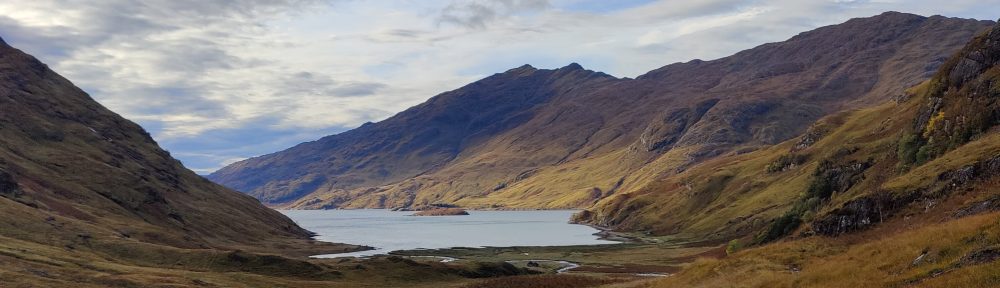

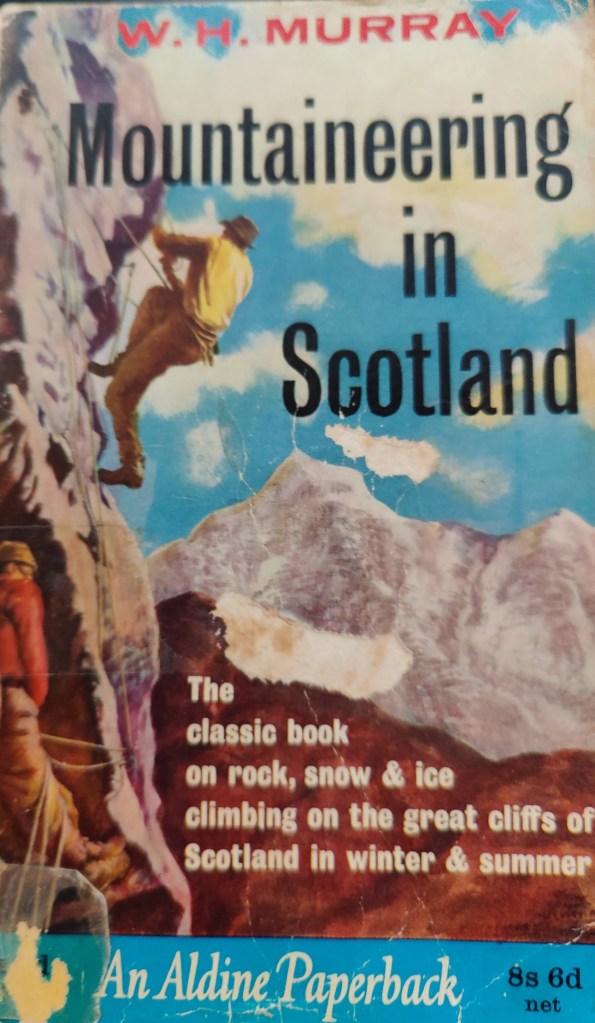
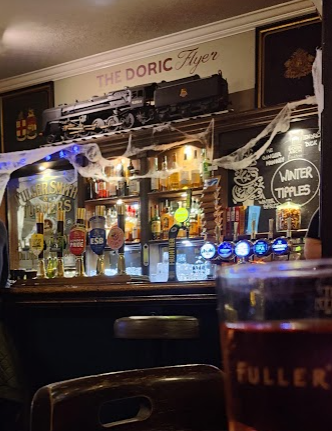
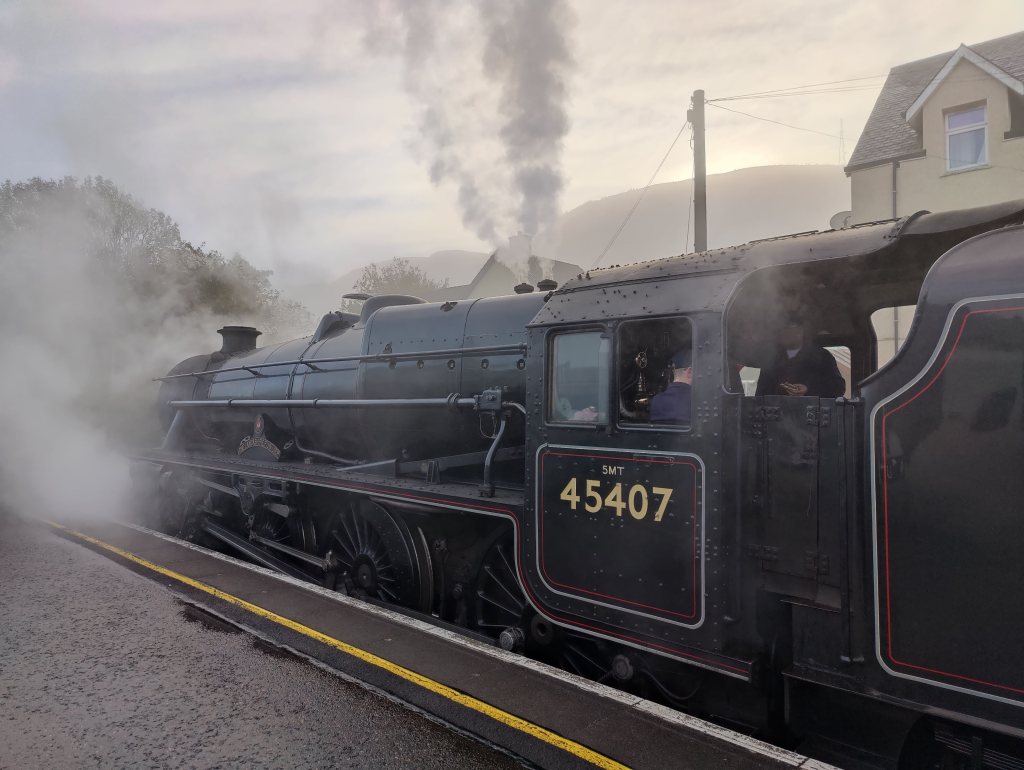
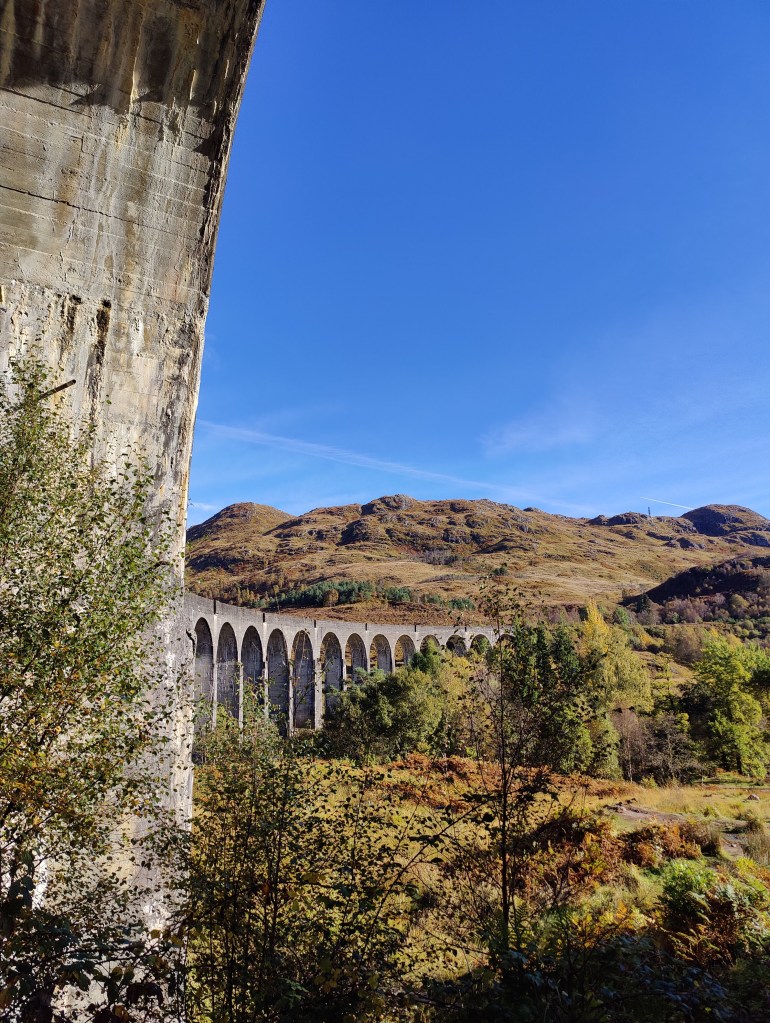
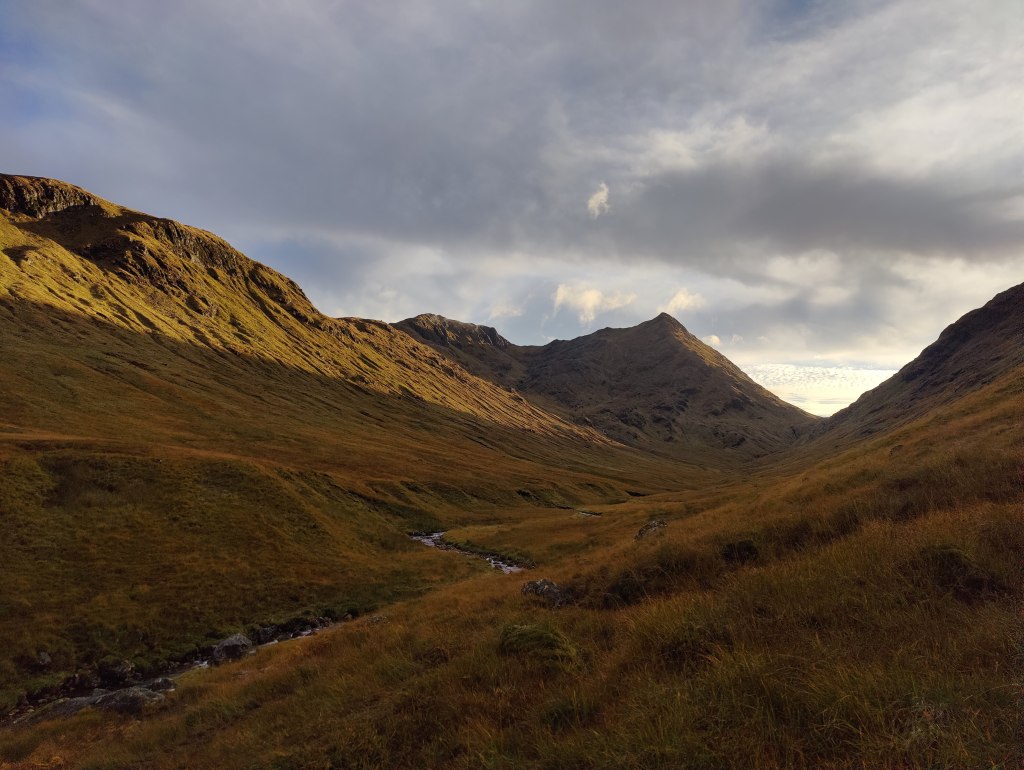
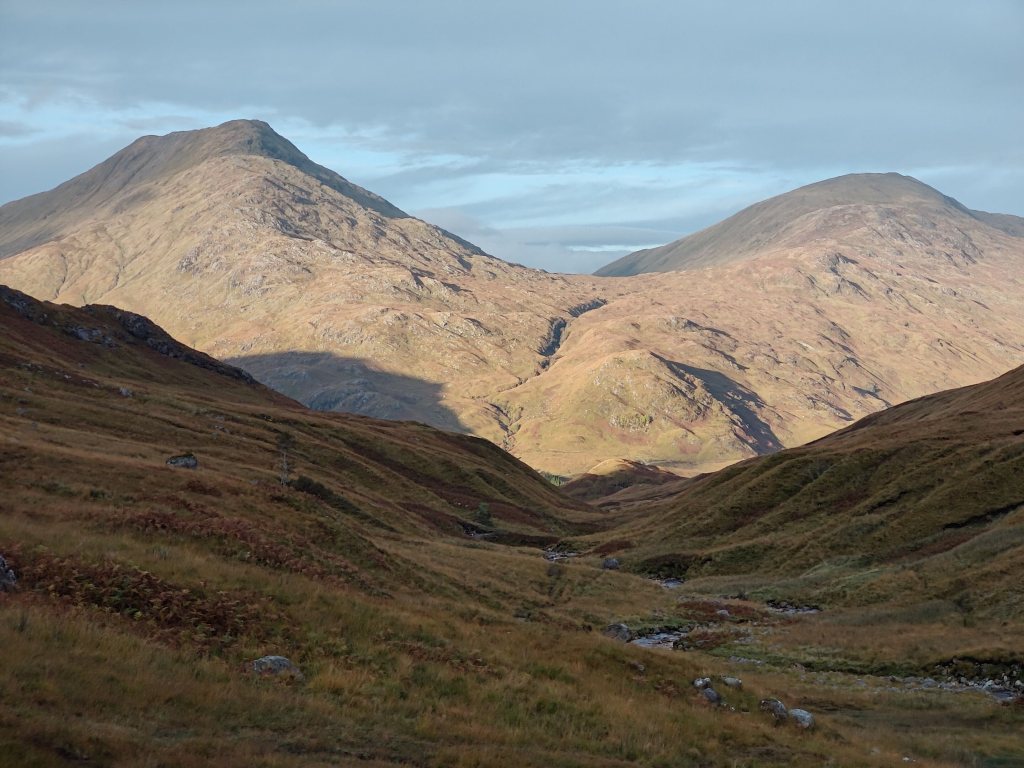


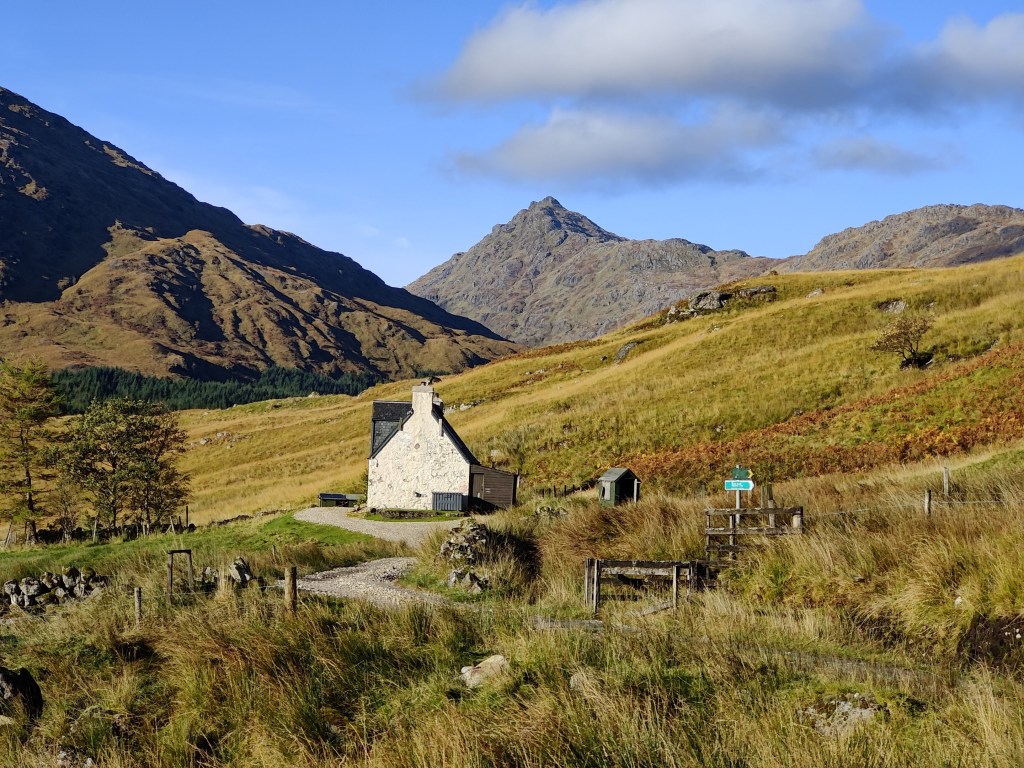
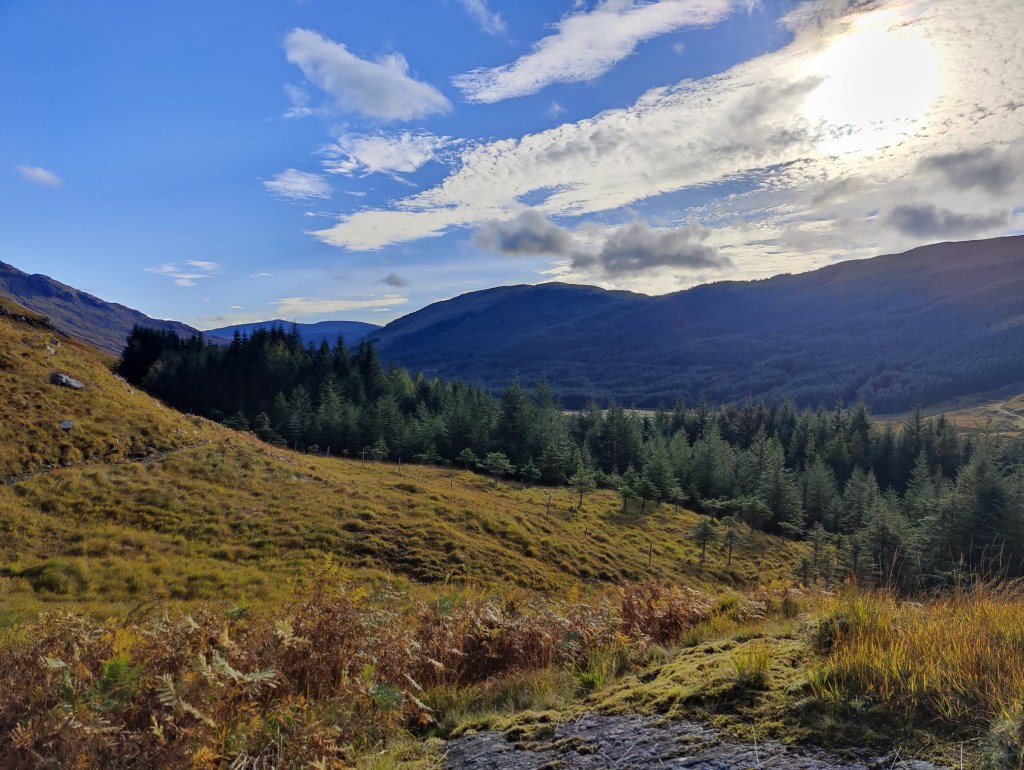

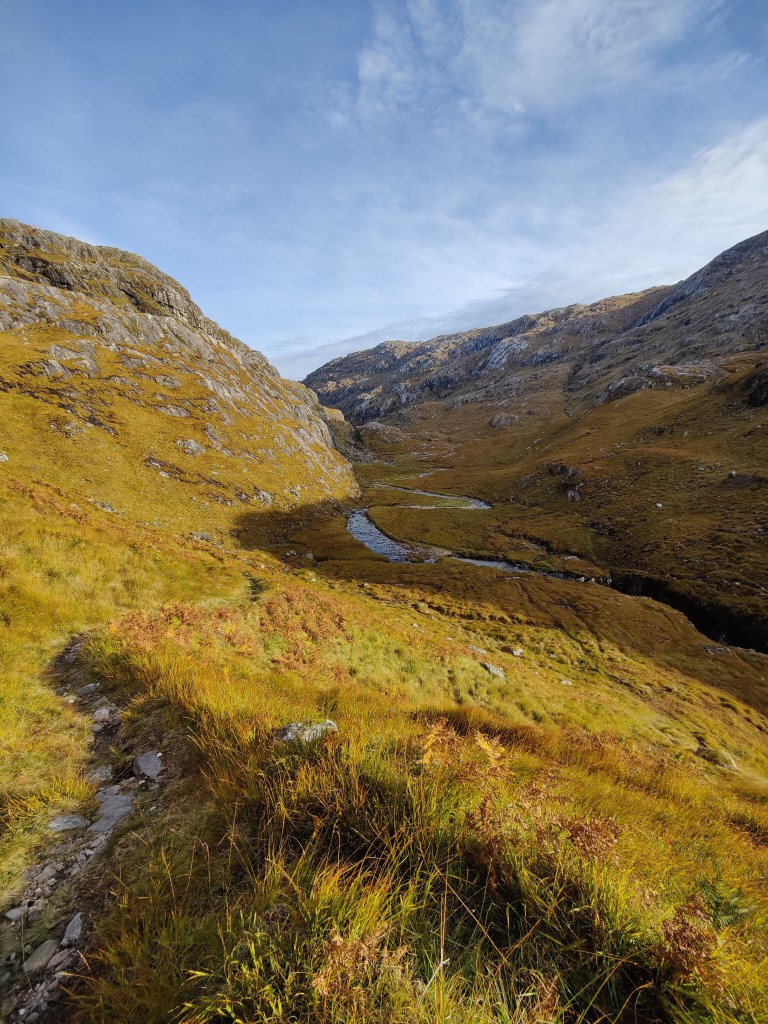
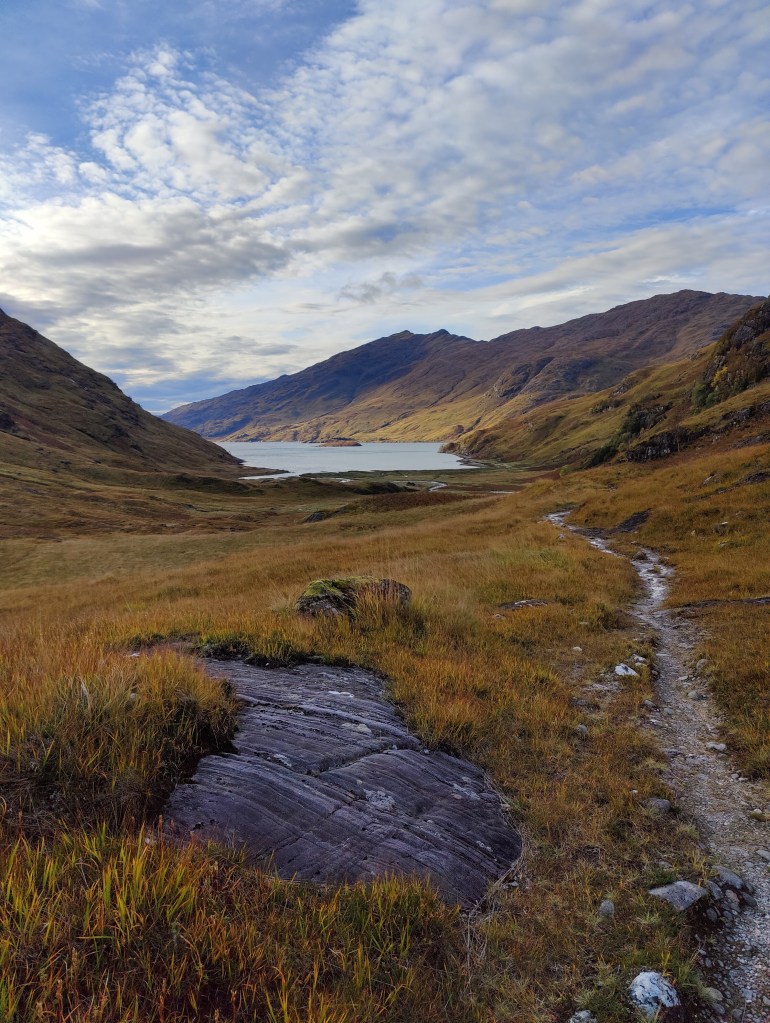
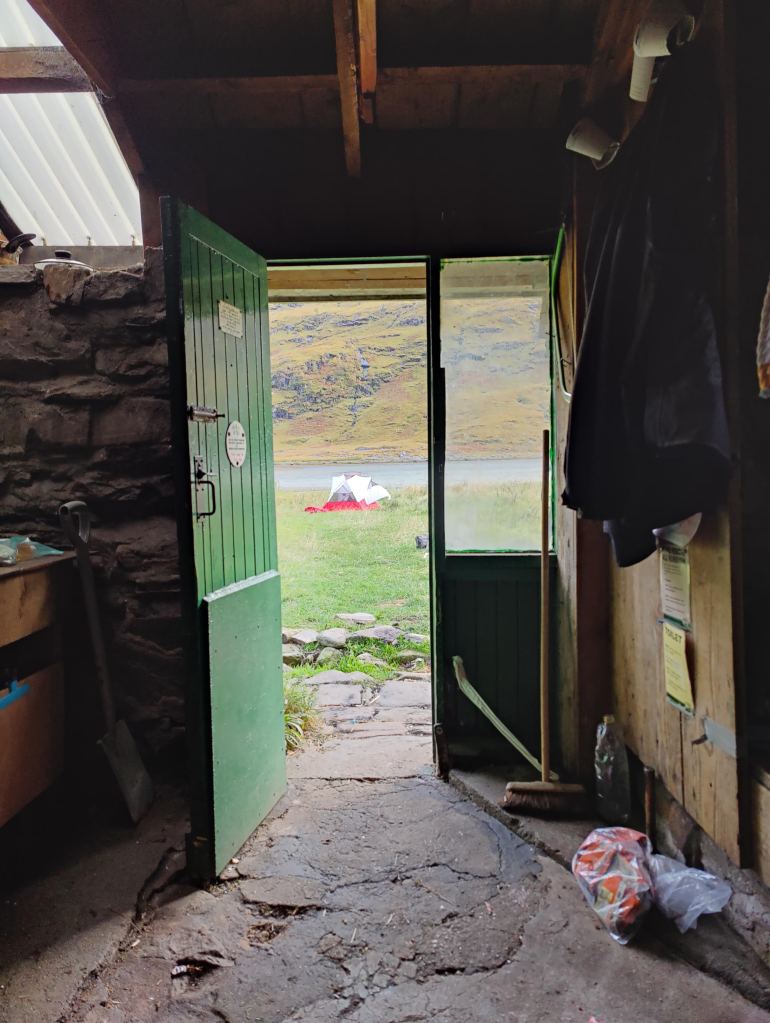
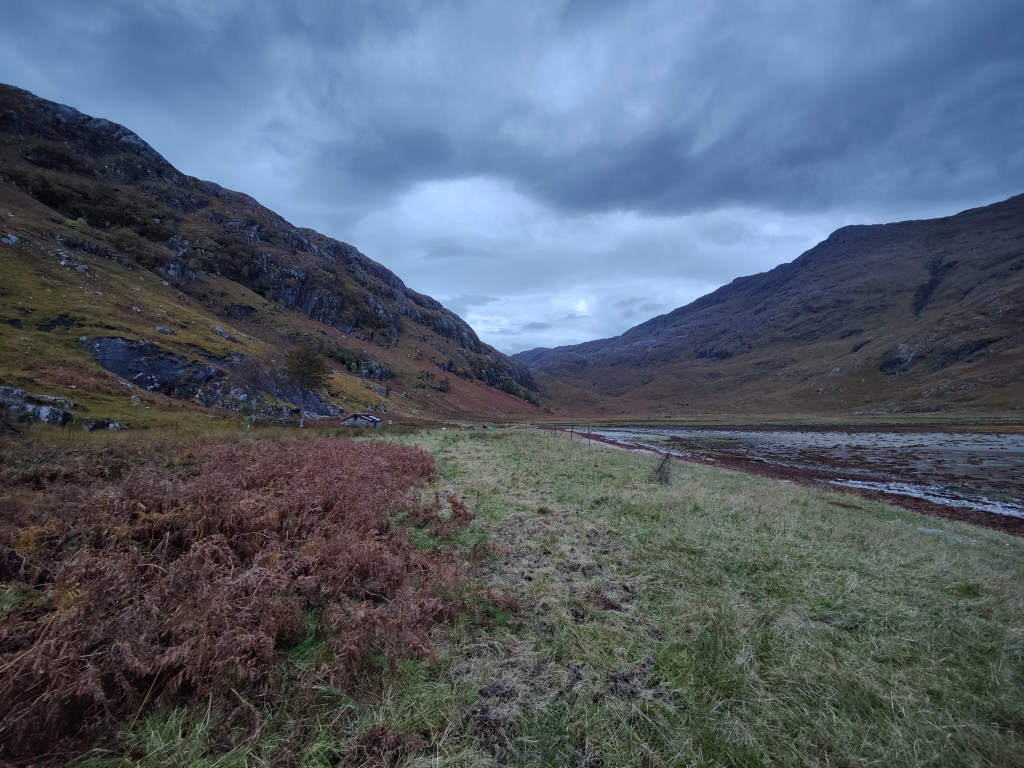
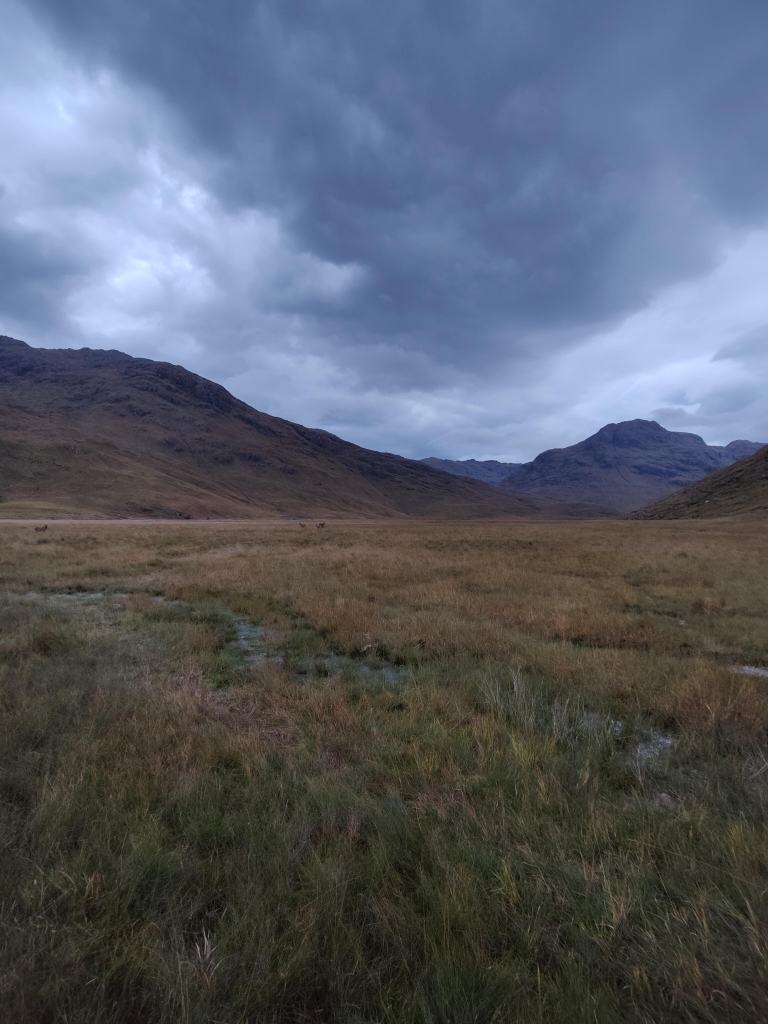
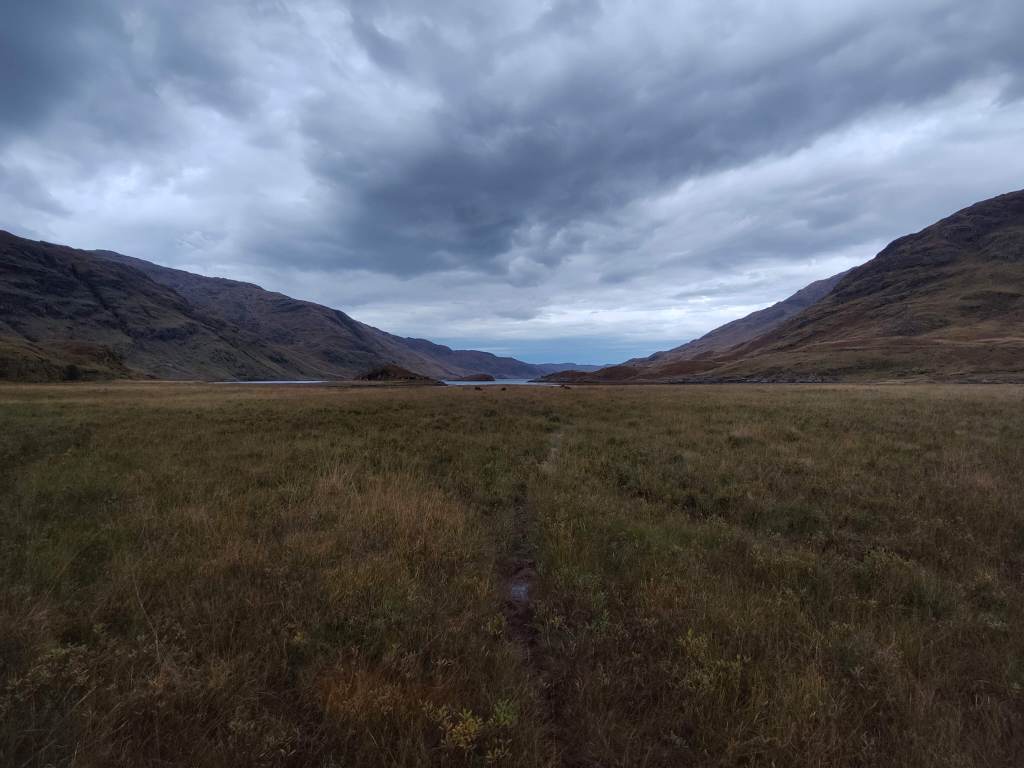
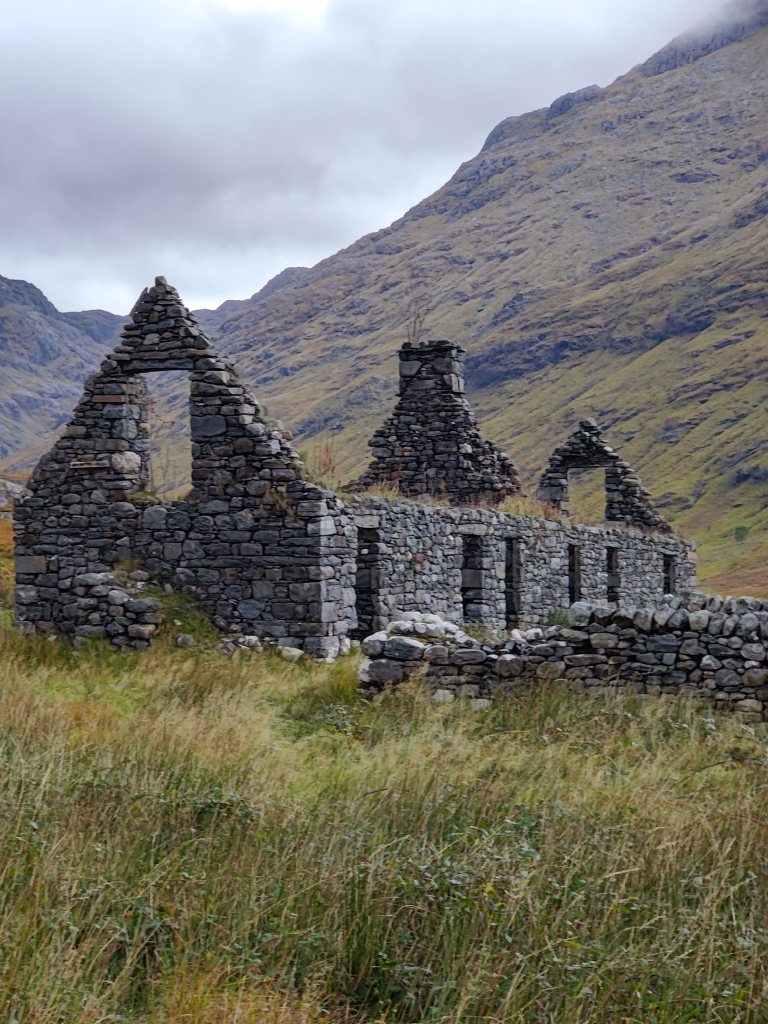
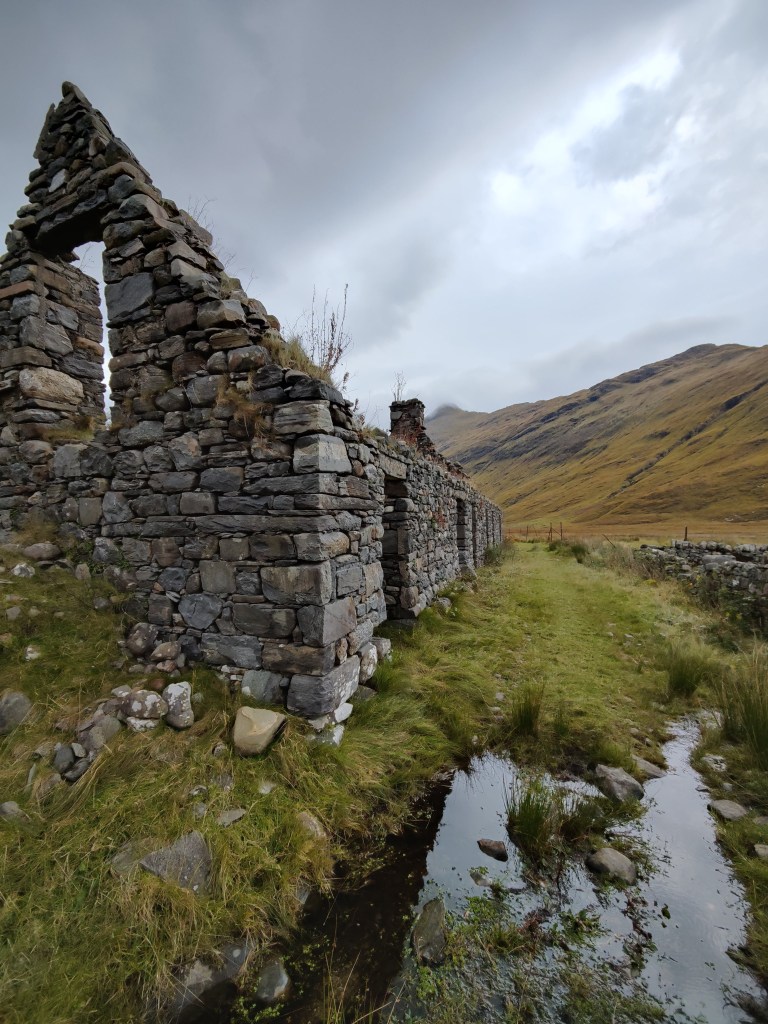

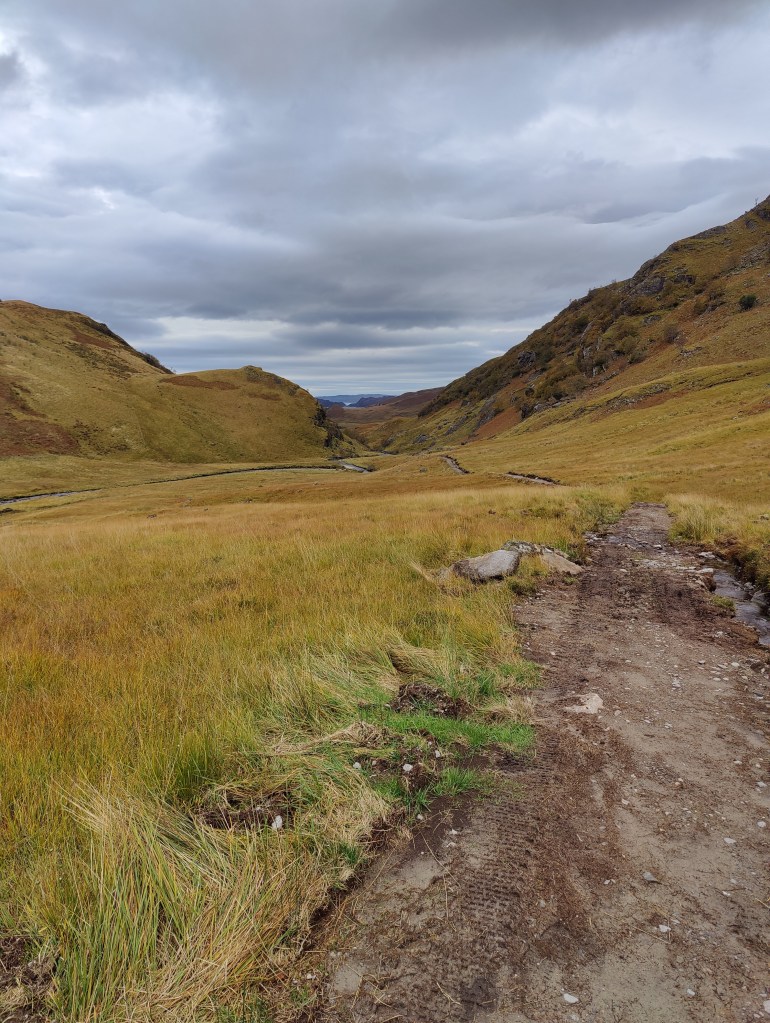
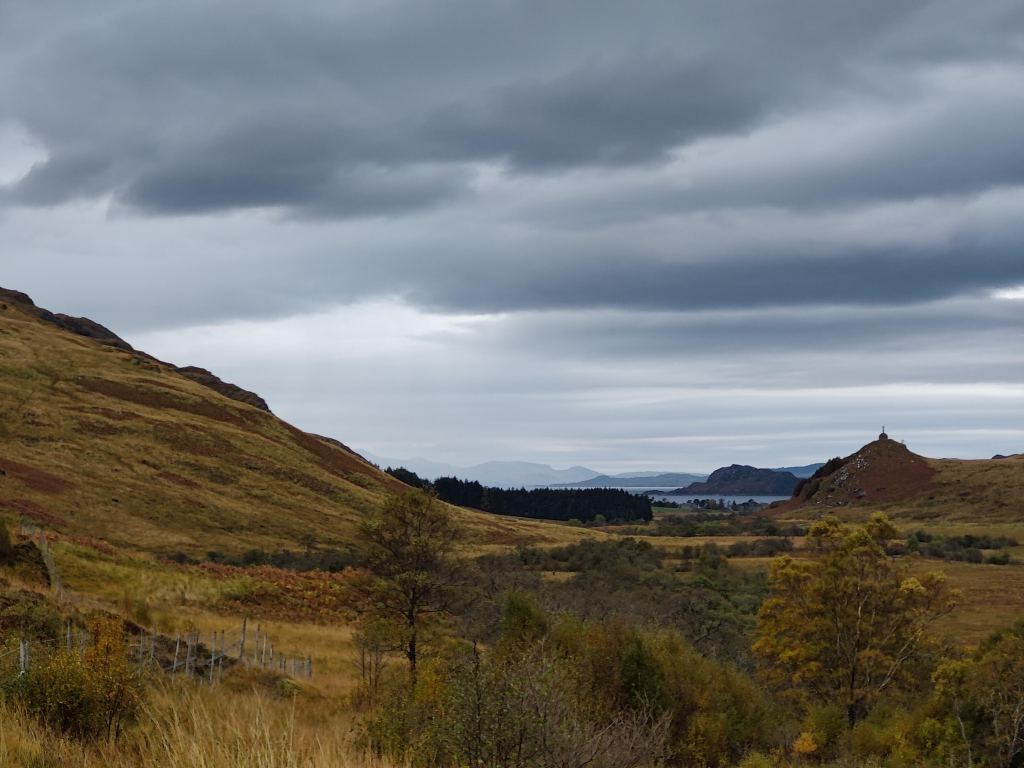
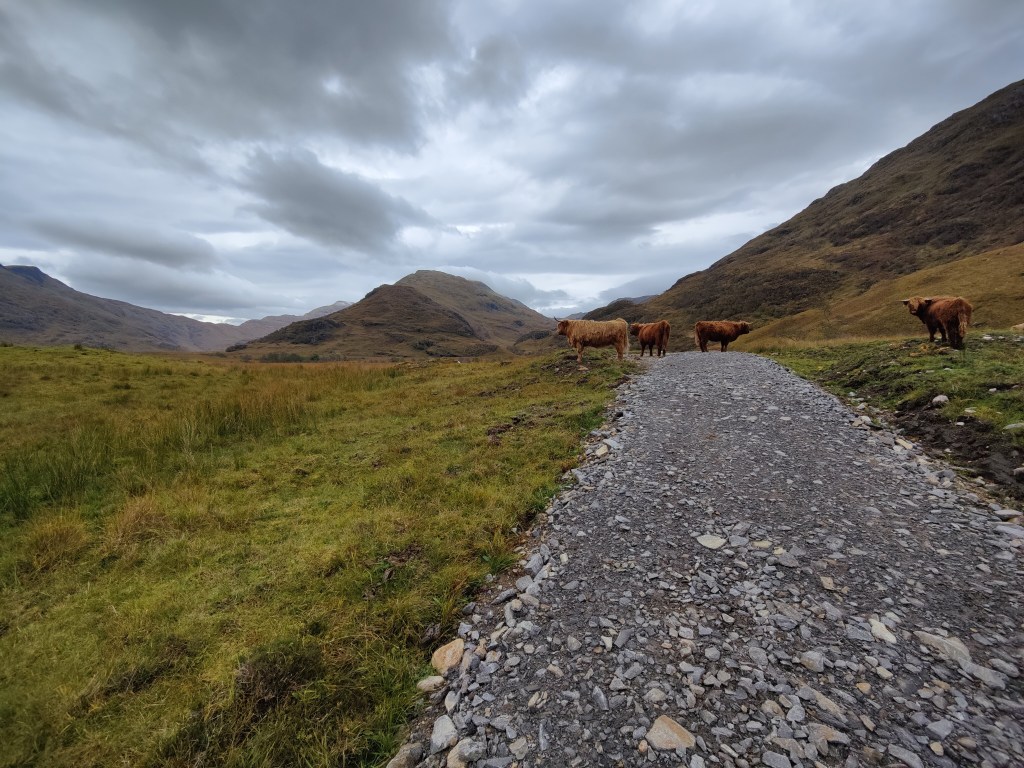
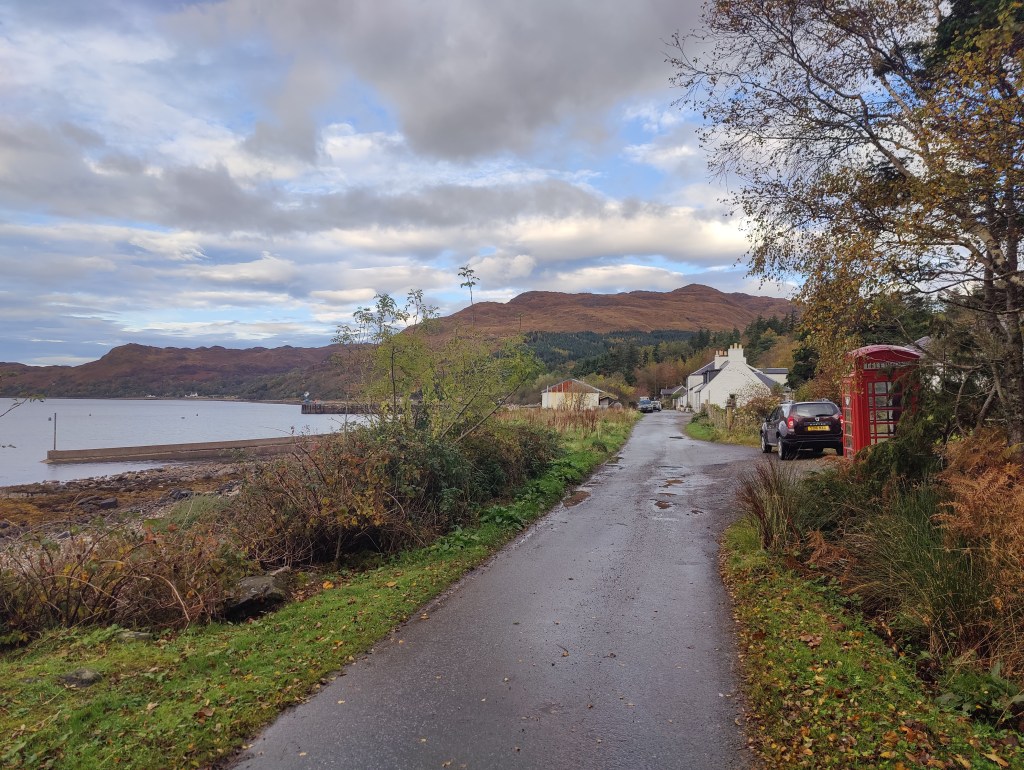
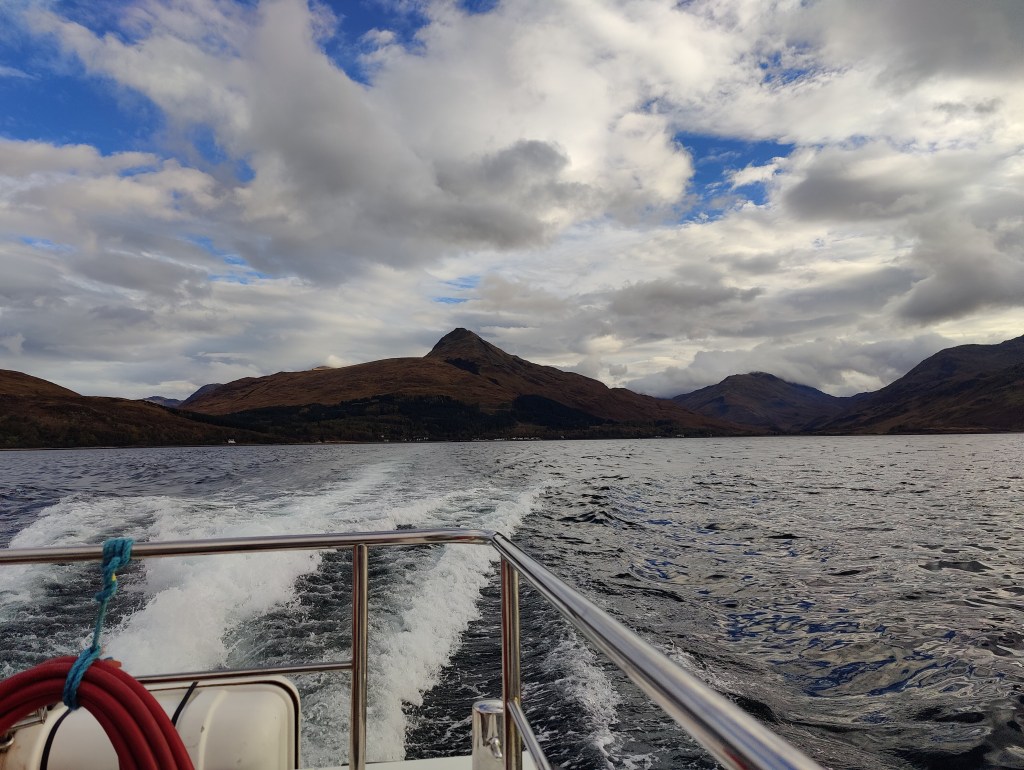
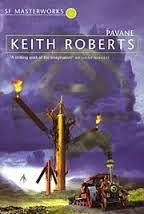
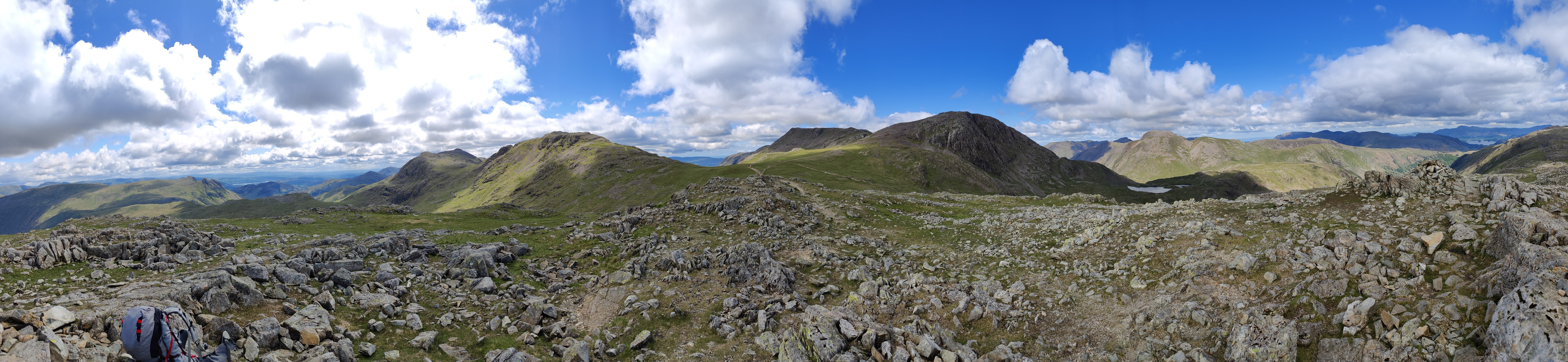
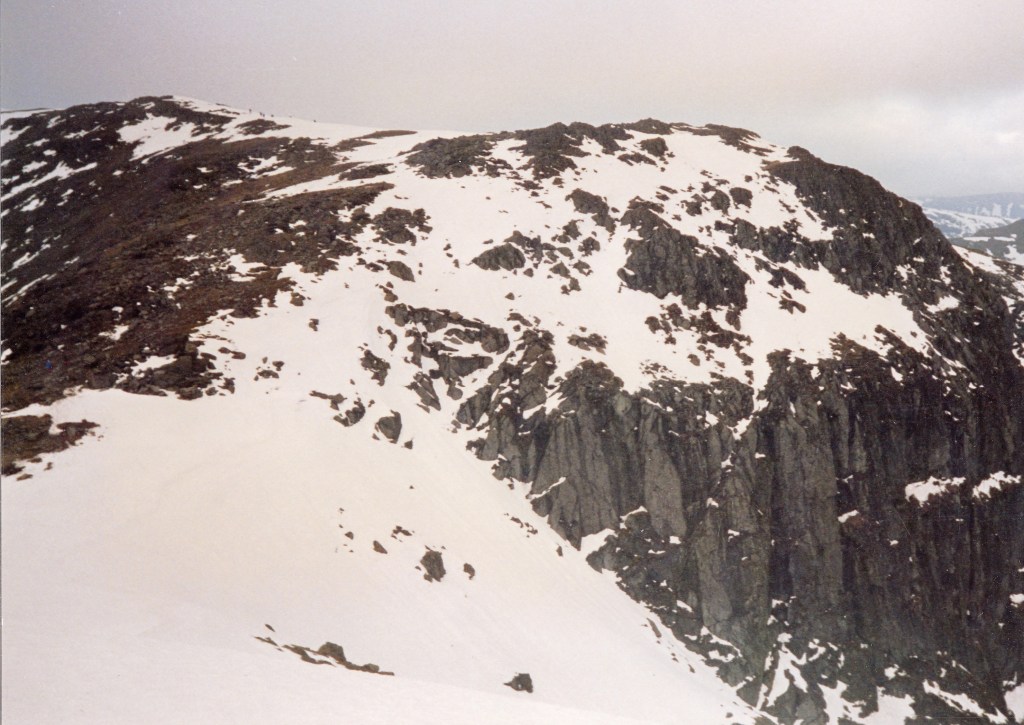
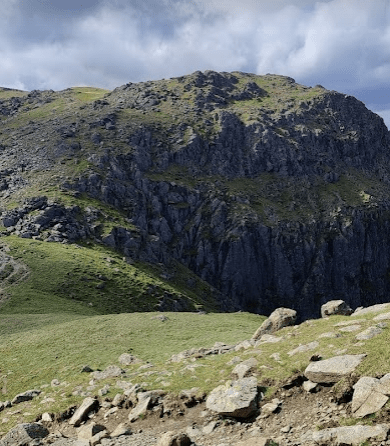
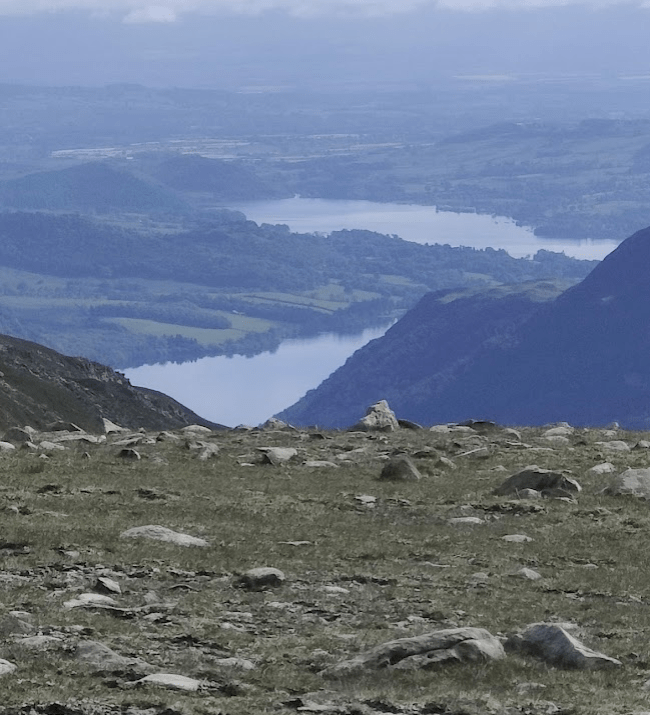
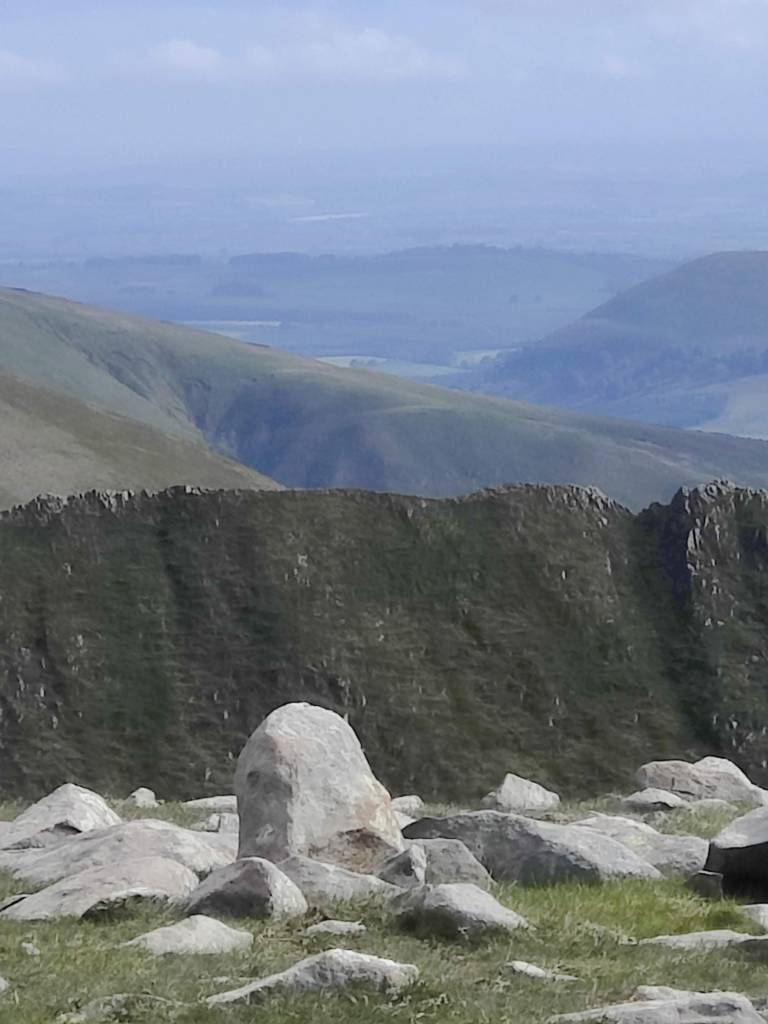
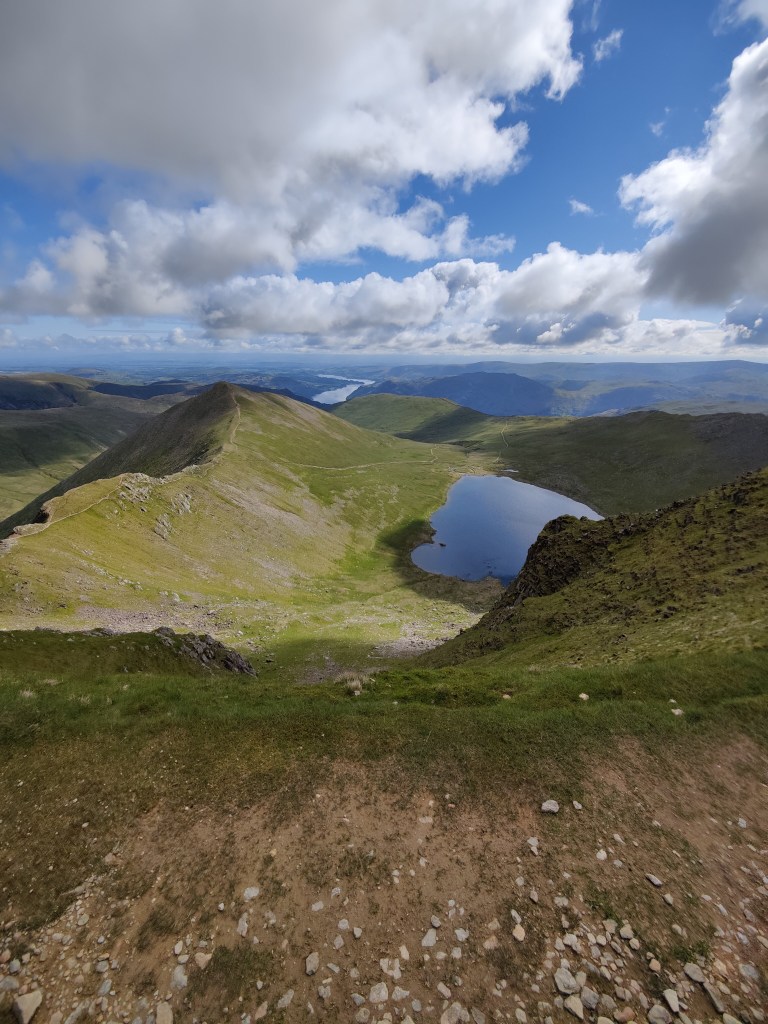

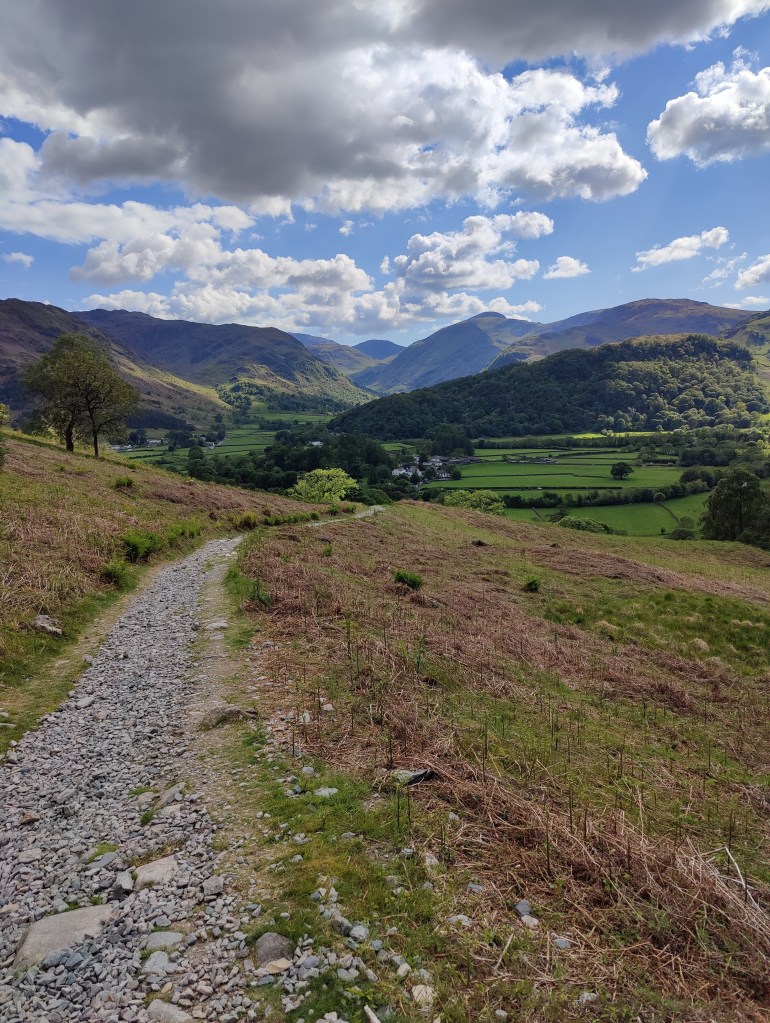
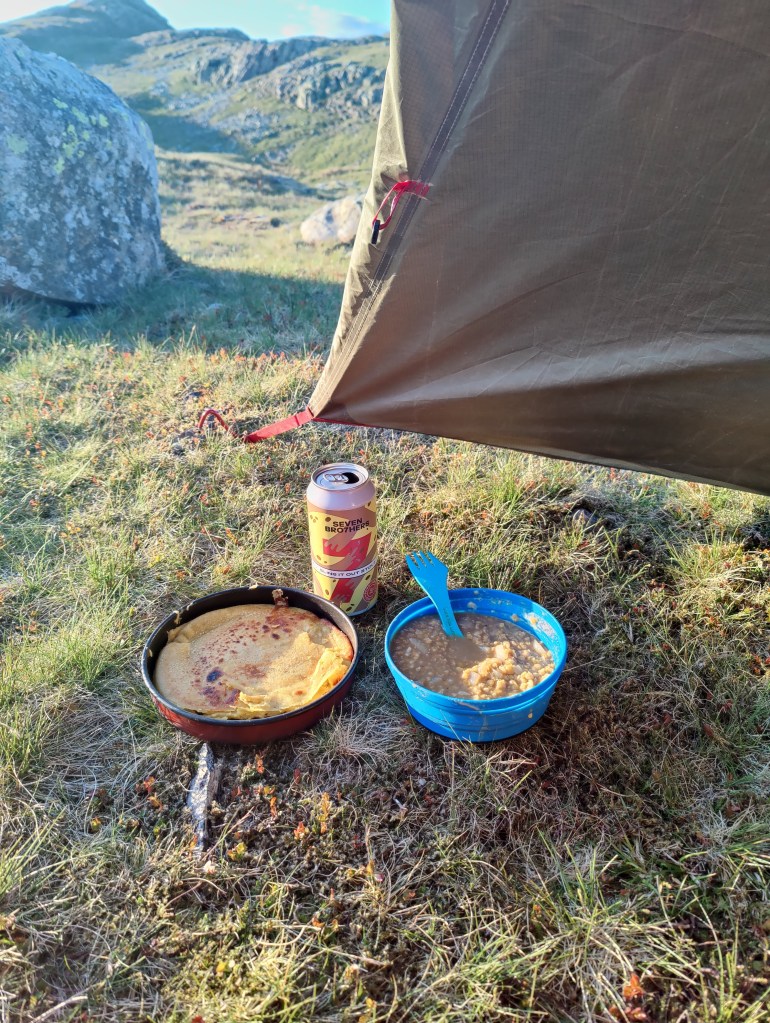
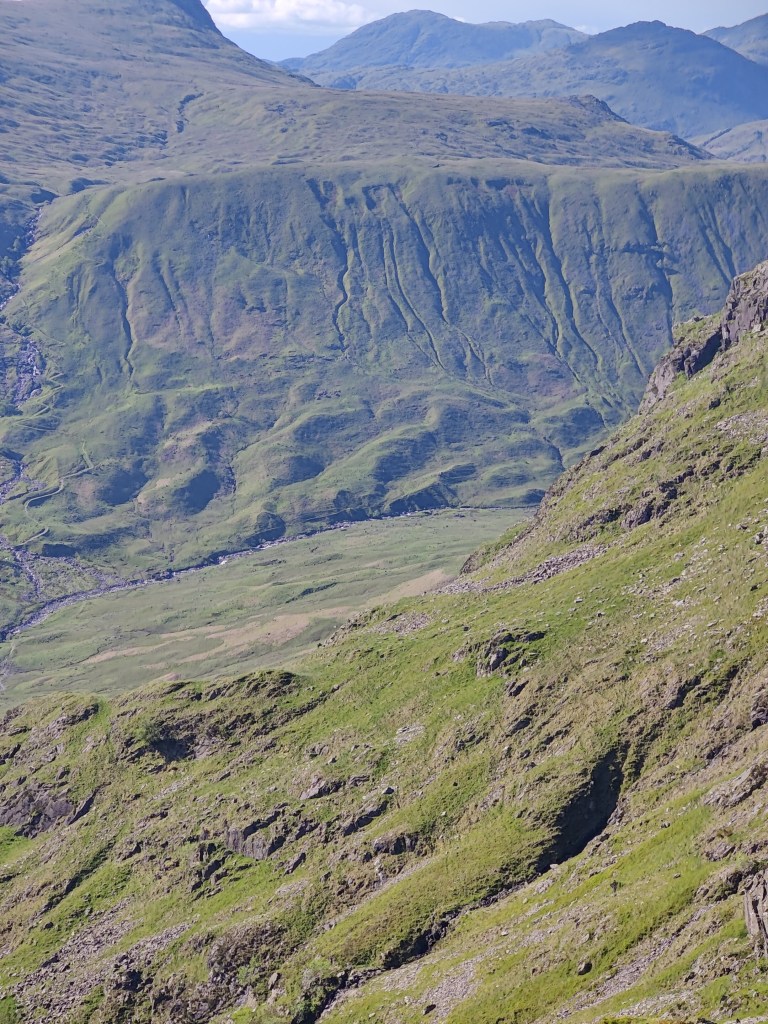
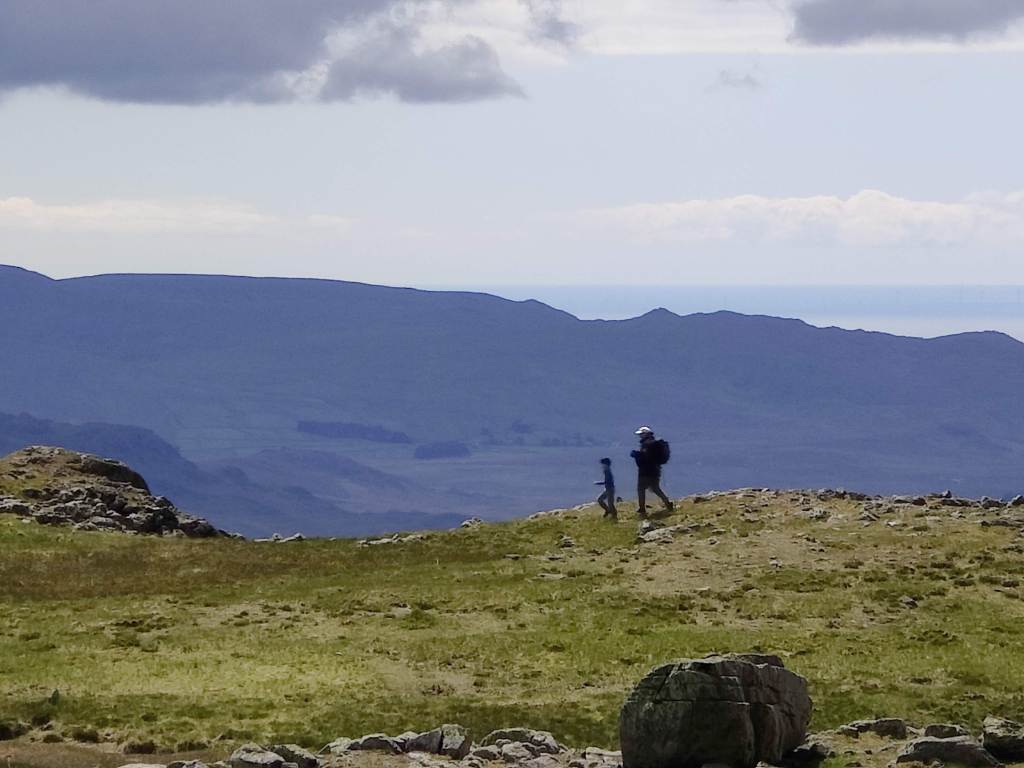
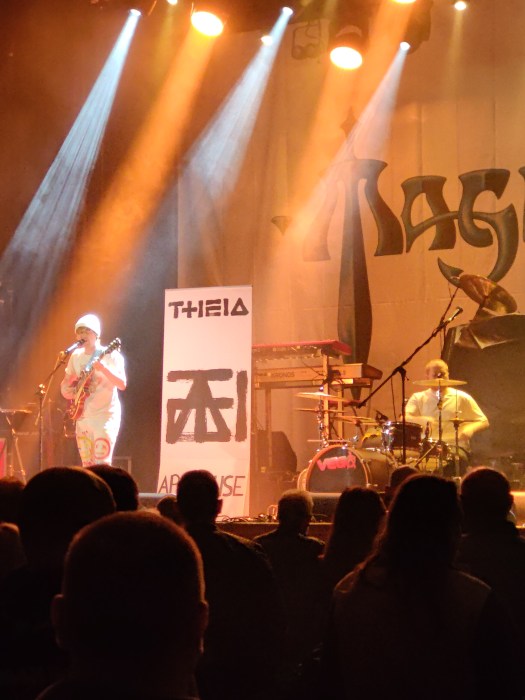
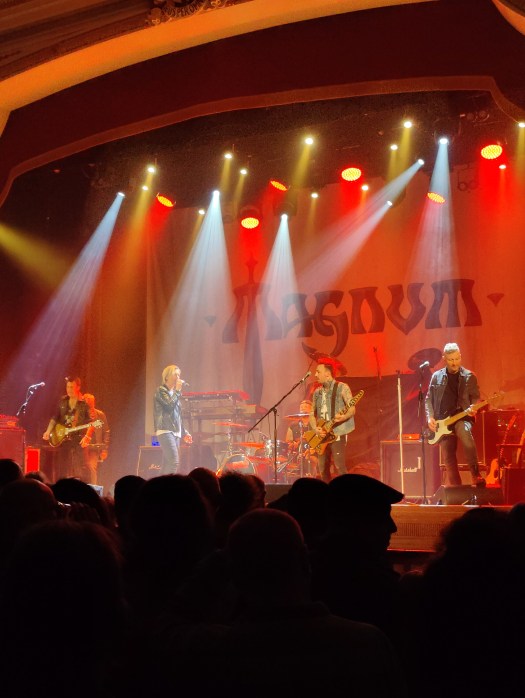
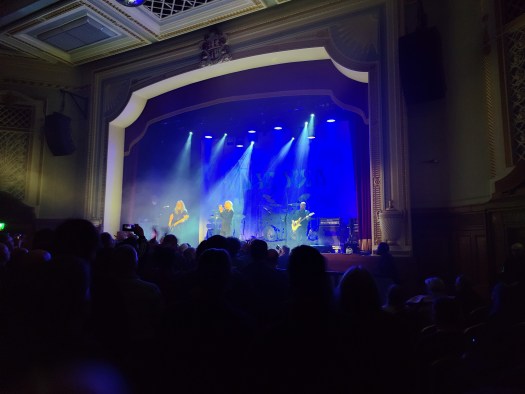
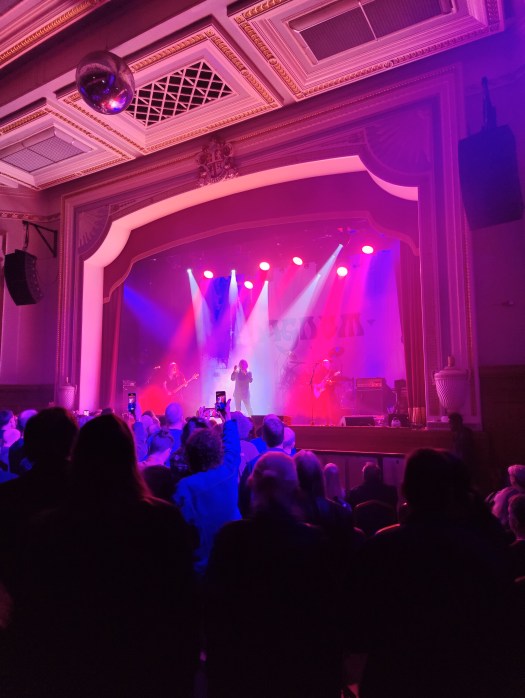
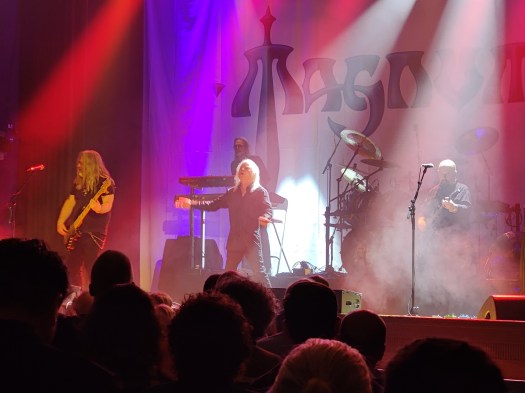
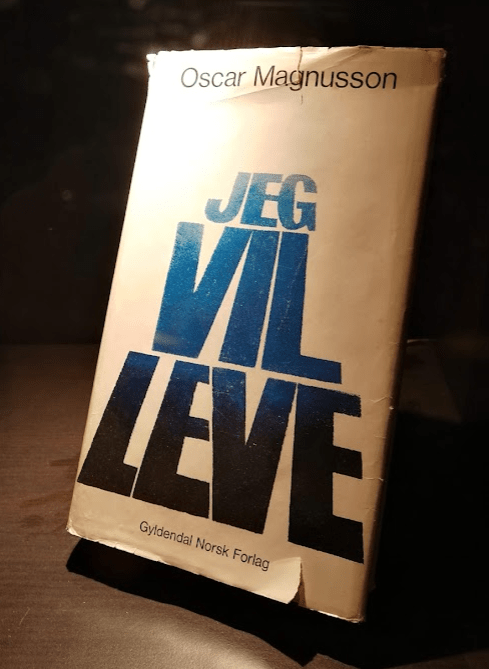

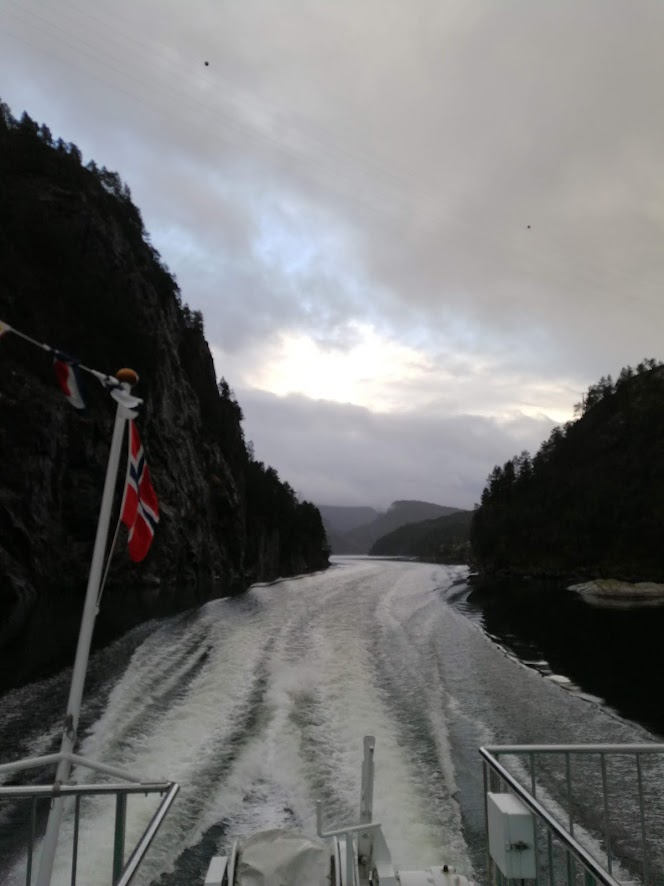
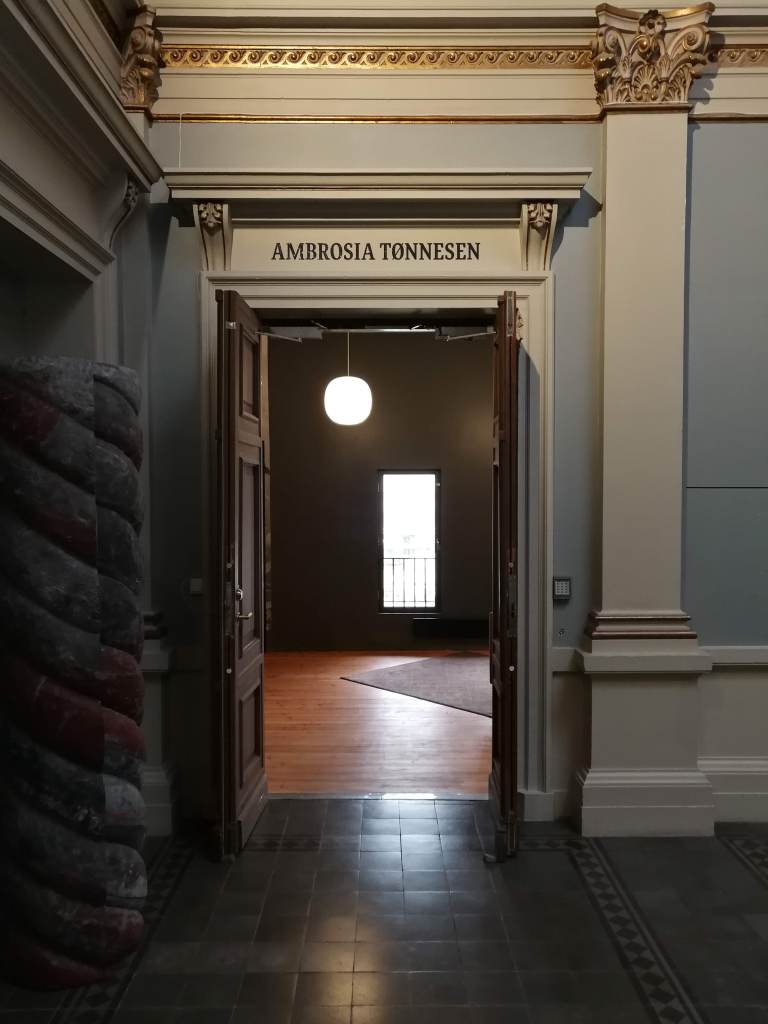
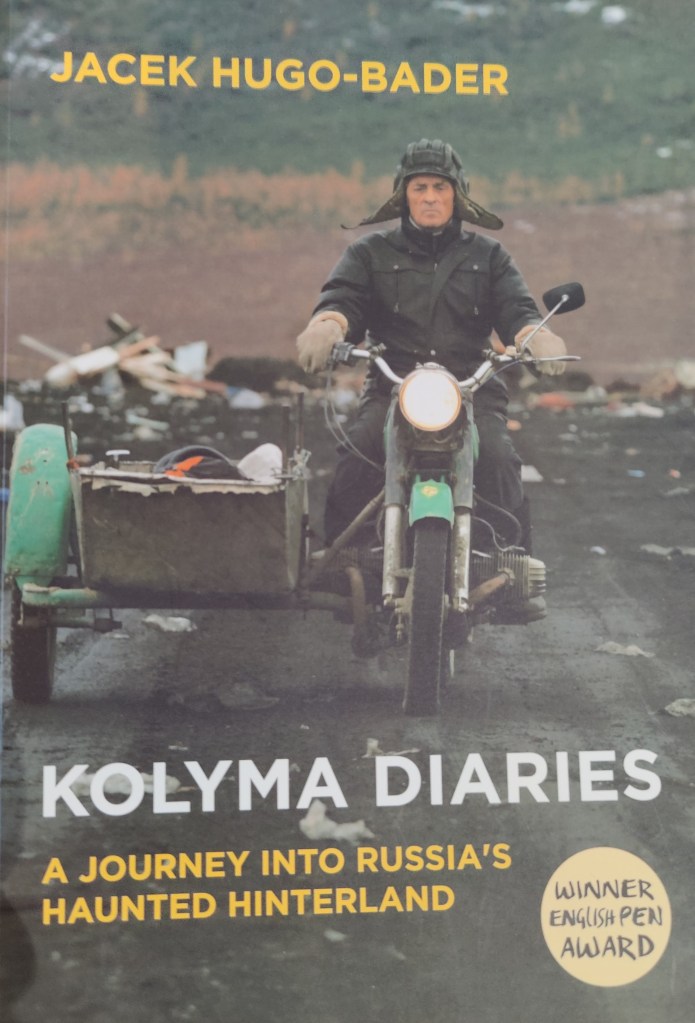
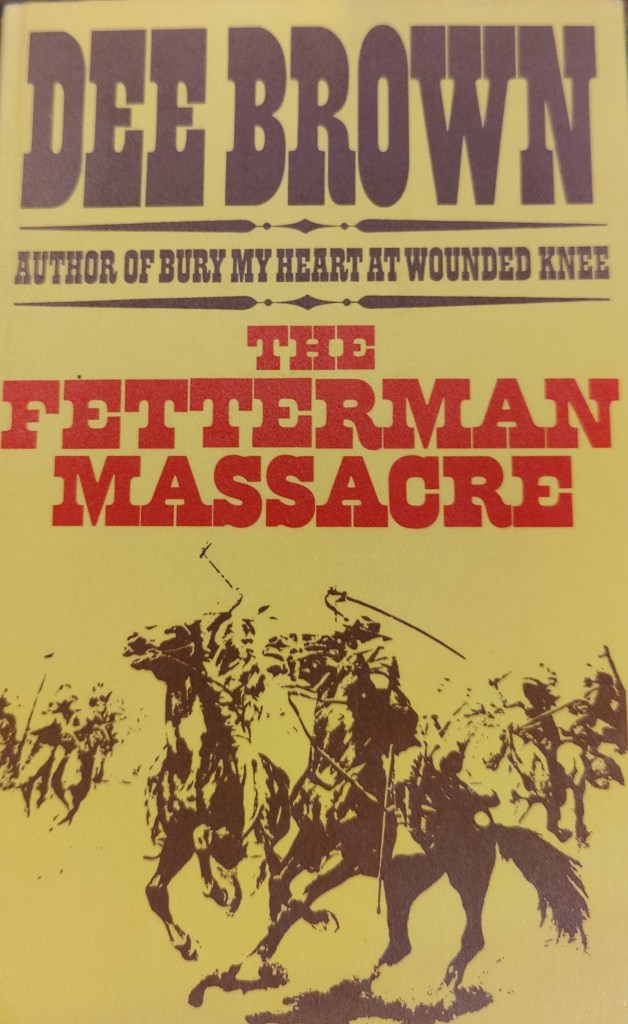
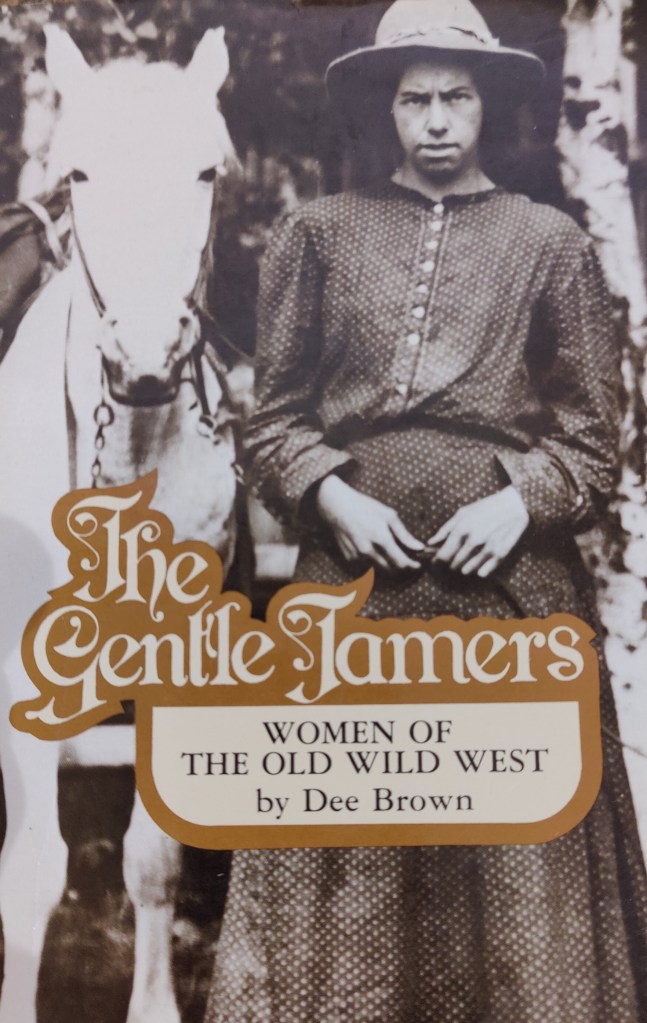
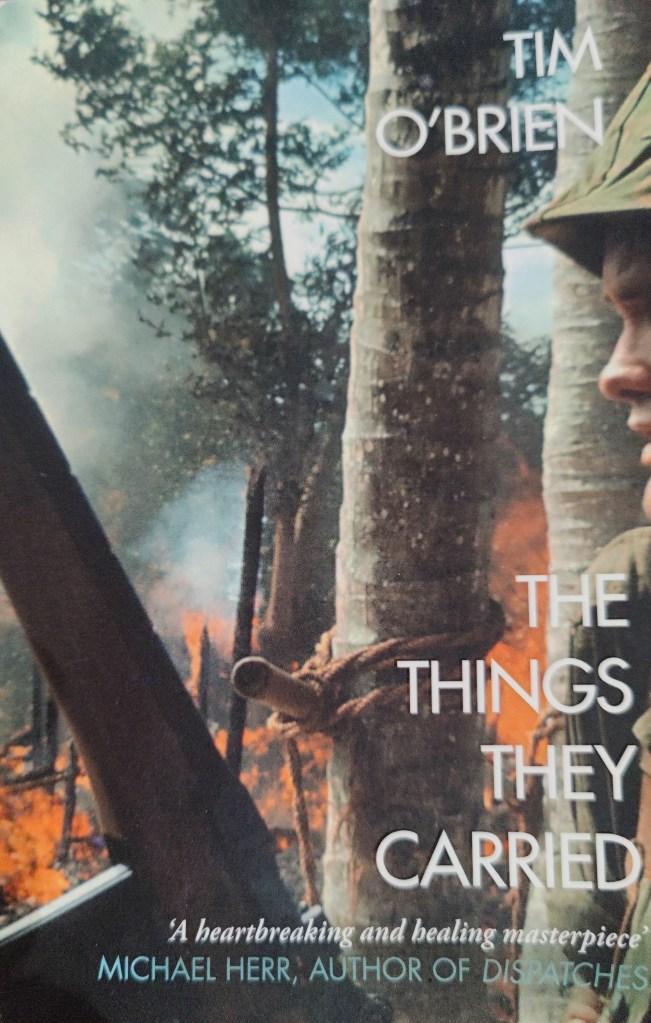
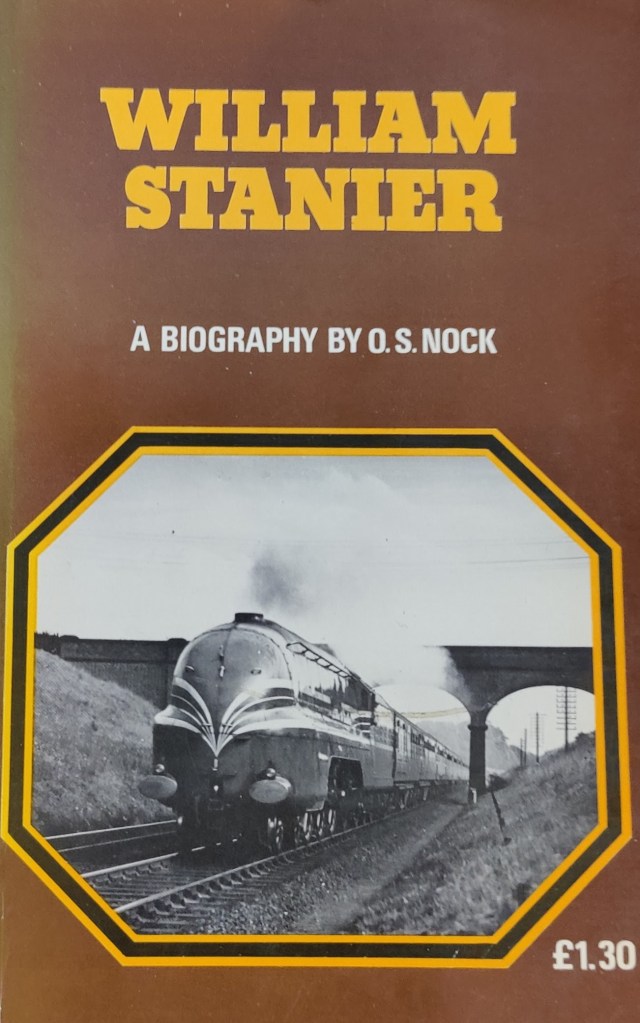
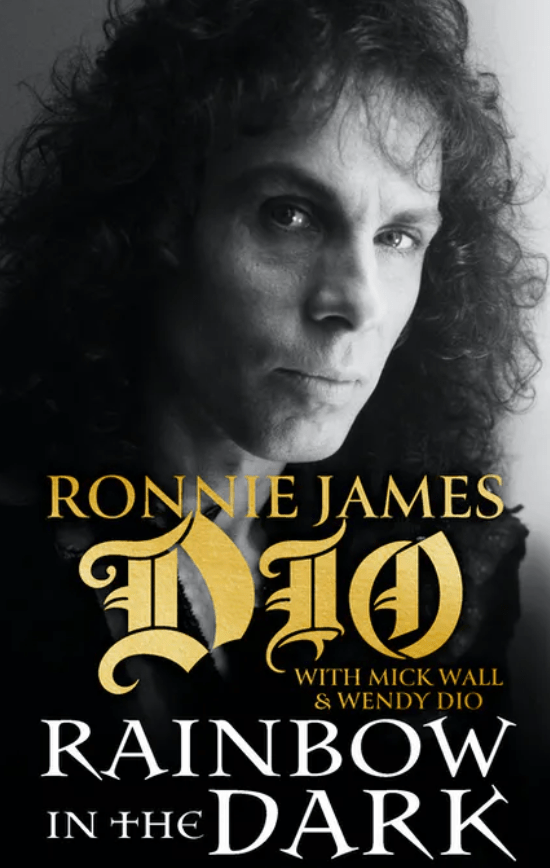
 Plateroom 28